...
Call (281) 202-9862 Request Confidential Consult

Security Guards in Houston : Comprehensive Security Services Blog

Security guards in Houston provide layered protective services that reduce risk, deter theft, and maintain safety for people and property across healthcare, construction, events, and corporate environments. This article explains how professional security guard companies operate in Houston, the distinctions between armed and unarmed guards, typical mobile patrol and surveillance models, pricing drivers, and specialized services such as executive protection and private investigation. Readers will learn practical decision criteria for choosing the right guard type, how technology and training improve outcomes, and what to expect when requesting a customized security plan. We map common use cases — construction site asset protection, healthcare facility access control, event crowd management, disaster response coordination, and private investigations — to specific guard roles and technology integrations that produce measurable improvements in incident rates and response times. Throughout the piece we integrate how Mayer Security Services, a veteran-owned Houston provider led by Jason Essazay, aligns offerings to client needs without turning this into a sales brochure, focusing primarily on objective guidance and operational detail. By the end, you’ll have clear criteria to evaluate proposals, sample rate expectations, and a stepwise process to request an assessment and quote.

What Security Guard Services Does Mayer Security Services Offer in Houston?

Security services in Houston cover a range of protective functions designed to prevent loss, manage incidents, and support operational continuity for clients. Core offerings commonly include armed and unarmed guard deployments, mobile patrols, event and executive protection, construction and industrial site security, healthcare-focused services, disaster response teams, and private investigation work. These services operate through risk-based staffing, defined rules of engagement, and integrated technology such as real-time reporting and surveillance to deliver consistent deterrence and rapid response. Understanding each service type and its typical responsibilities helps organizations match risk profiles to appropriate protective measures and avoid under- or over-resourcing security programs.

This table summarizes common security services, core responsibilities, and typical use cases to help you compare options and decisions.

ServiceCore ResponsibilitiesTypical Use Cases / Client Benefit
Armed security guardsArmed deterrence, high-risk incident response, access control for sensitive sitesHigh-risk facilities, critical infrastructure, cash handling locations
Unarmed security guardsAccess management, patrols, visitor screening, incident reportingRetail sites, corporate lobbies, routine asset surveillance
Mobile patrol servicesScheduled and random vehicle patrols, alarm response, perimeter checksConstruction sites, satellite facilities, after-hours deterrence
Event & executive protectionCrowd management, VIP escorting, advance security surveysConcerts, conferences, executive travel and appearances
Private investigation servicesSurveillance, background checks, evidence collectionInternal investigations, civil cases, due diligence checks
What Are the Differences Between Armed and Unarmed Security Guards?

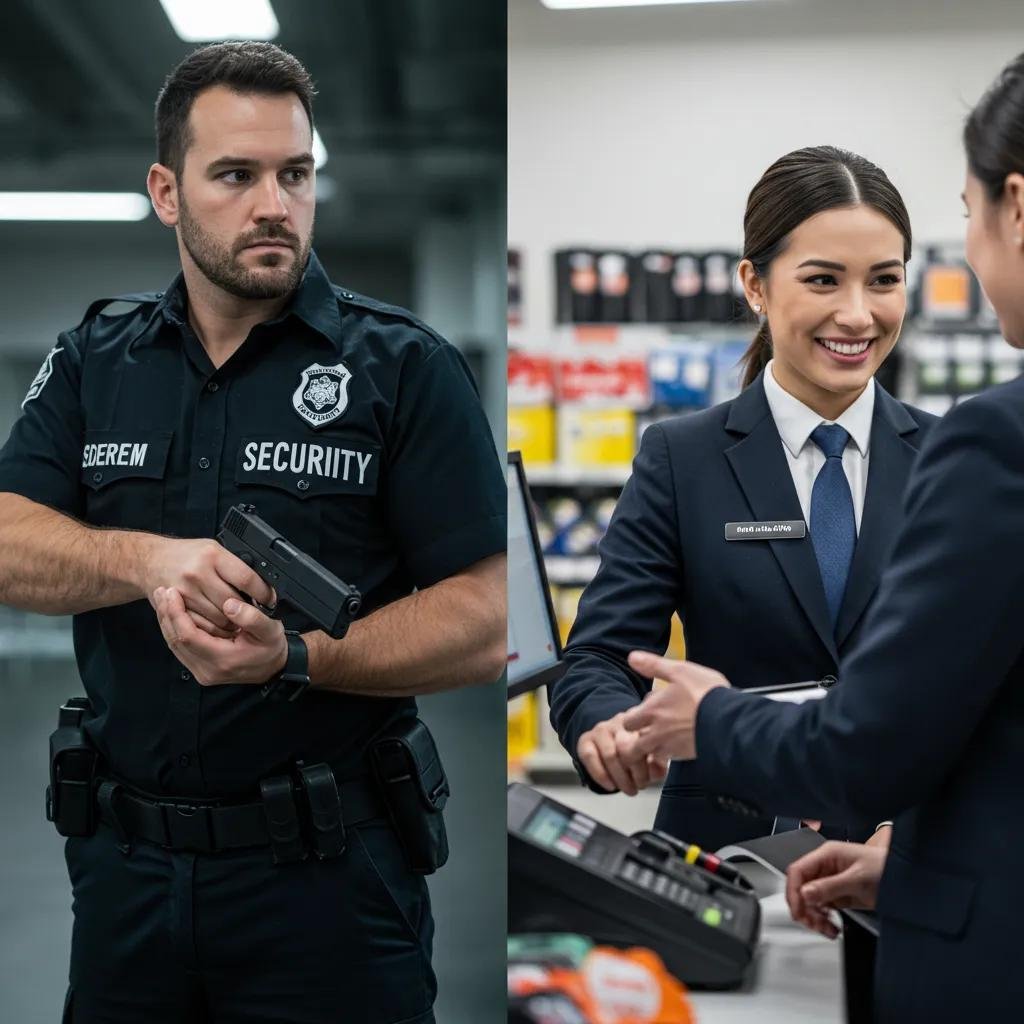
Armed and unarmed security guards serve overlapping protective roles but differ in authority, training requirements, liability exposure, and suitability for specific risk profiles. Armed guards are typically deployed where there is an elevated threat level, value-at-risk, or regulatory need for a visible armed presence, and they undergo weapons training, stricter licensing, and enhanced background screening. Unarmed guards focus on prevention, access control, customer-facing interactions, and observation — they reduce confrontation through visibility, procedural control, and early incident reporting. Choosing between armed and unarmed personnel should hinge on a documented risk assessment, legal and insurance considerations, and the client’s tolerance for armed presence; low-risk public-facing environments often favor unarmed guards for cost and de-escalation benefits.

  • Key decision factors include threat level, legal/regulatory constraints, insurance requirements, and community impact.
  • Example scenario: a high-value distribution center with repeat theft incidents often warrants armed posts, while an office lobby benefits from unarmed reception and badge control.
  • Proper selection improves safety metrics and reduces liability by aligning skill sets to exposure.
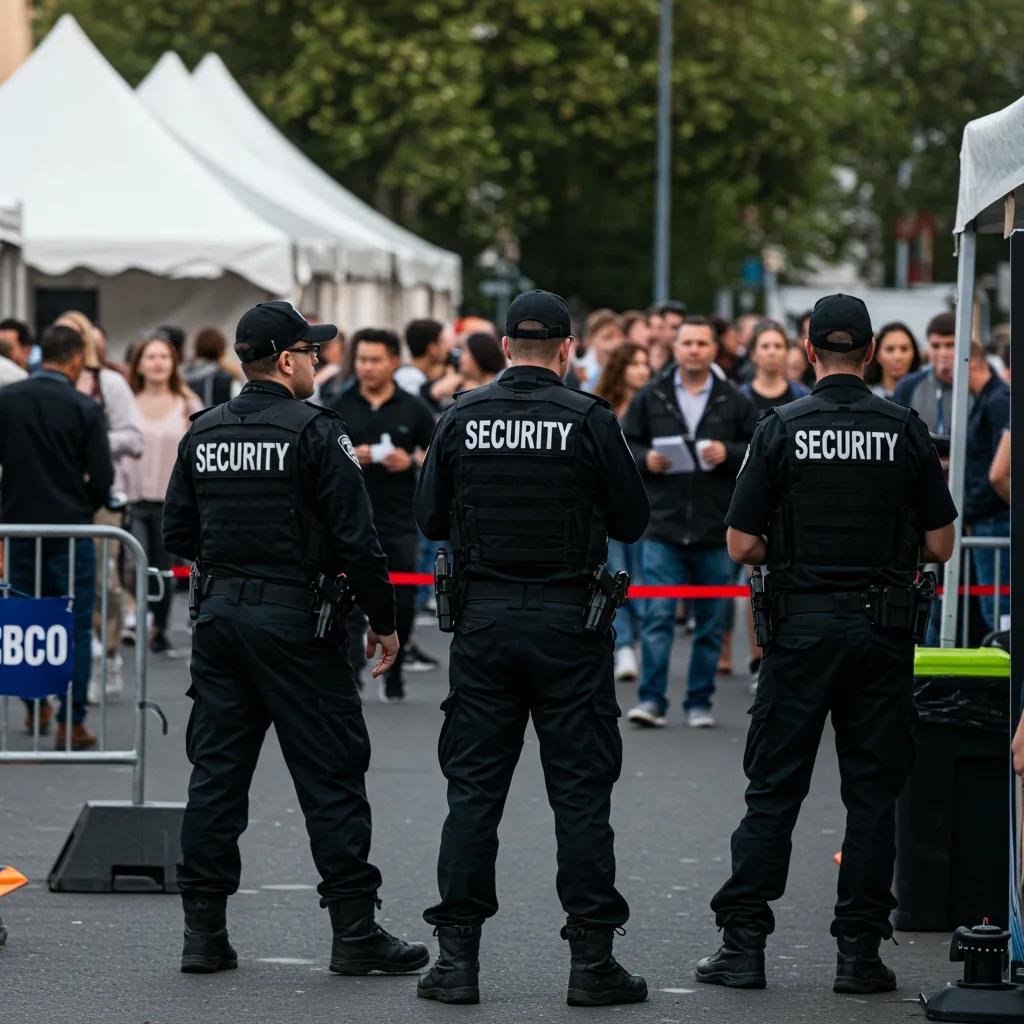
How Does Mayer Provide Specialized Security for Events and Executive Protection?

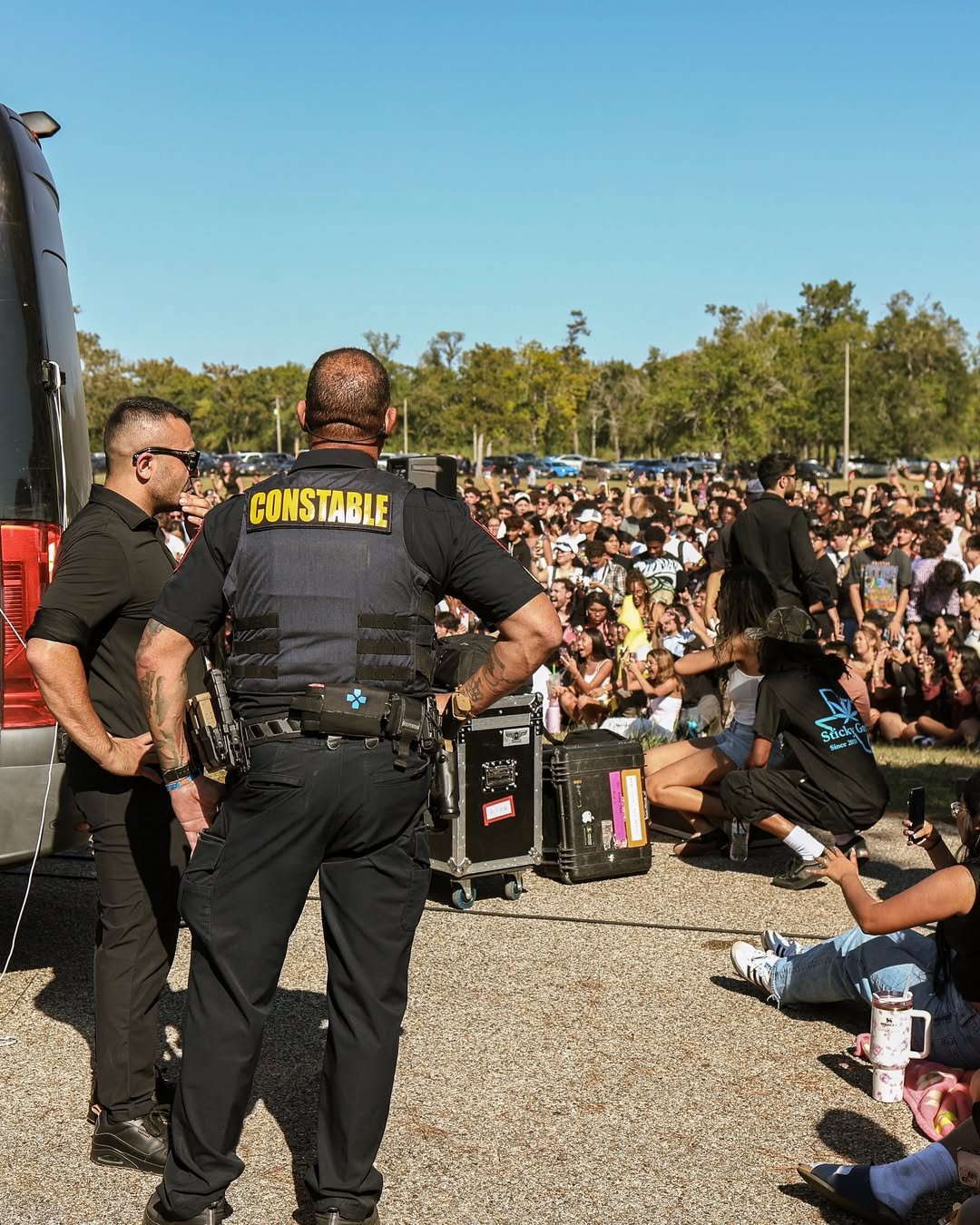
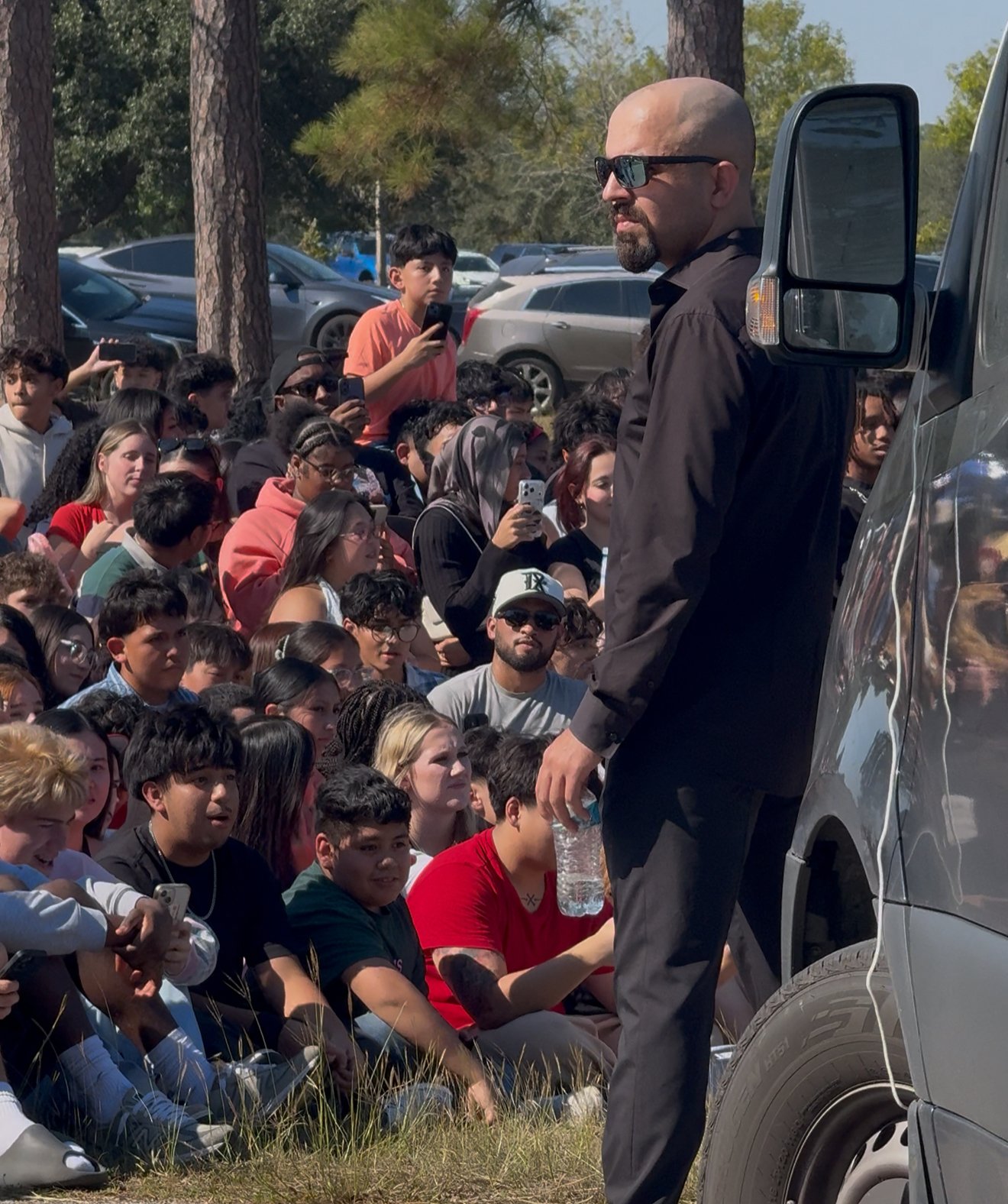
Event and executive protection require advance planning, layered staffing, and operational discipline to manage crowds and protect high-profile individuals while preserving guest experience. Effective programs begin with a pre-event risk assessment that catalogs entry points, sightlines, emergency access, and VIP movements; staffing is then matched to venue size and attendee profile with roles assigned for crowd flow, access screening, VIP escort, and emergency response. Executive protection emphasizes route planning, advance reconnaissance, and discrete close-protection techniques to minimize exposure while maintaining functionality for the principal. Coordination with local authorities, medical teams, and venue management is essential to ensure seamless incident escalation and legal compliance.

  • For events, staffing tiers typically include perimeter control, entry screening, roving patrols, and incident command.
  • Executive protection blends overt and covert tactics, emphasizing protective advance and layered redundancy.
  • Mayer’s event and VIP services pair planning protocols with trained personnel to reduce disruptions and manage liability.
What Mobile Patrol and Surveillance Services Are Available in Houston?

Mobile patrol and surveillance services combine scheduled and randomized patrols with remote monitoring to create a persistent deterrent and improve incident detection across geographically dispersed properties. Patrols can be vehicle-based for large perimeters or foot-based for dense sites, and frequencies vary by risk profile — from hourly checks to multiple-security-personnel sweeps. Integration with alarm systems and CCTV enables faster verification and targeted responses, while digital reporting tools provide timestamped logs and incident photo evidence to support investigations and audits. Metrics such as reduced break-ins, faster response times, and lower vandalism rates track the effectiveness of patrol programs and help refine patrol patterns.

  • Patrol models include scheduled, randomized, and event-triggered response with documented routes.
  • Surveillance integration emphasizes real-time feeds, remote verification, and secure reporting trails.
  • Clients typically see faster incident confirmation and improved deterrence when patrols are combined with technology.
How Does Mayer Secure Construction Sites and Industrial Facilities?

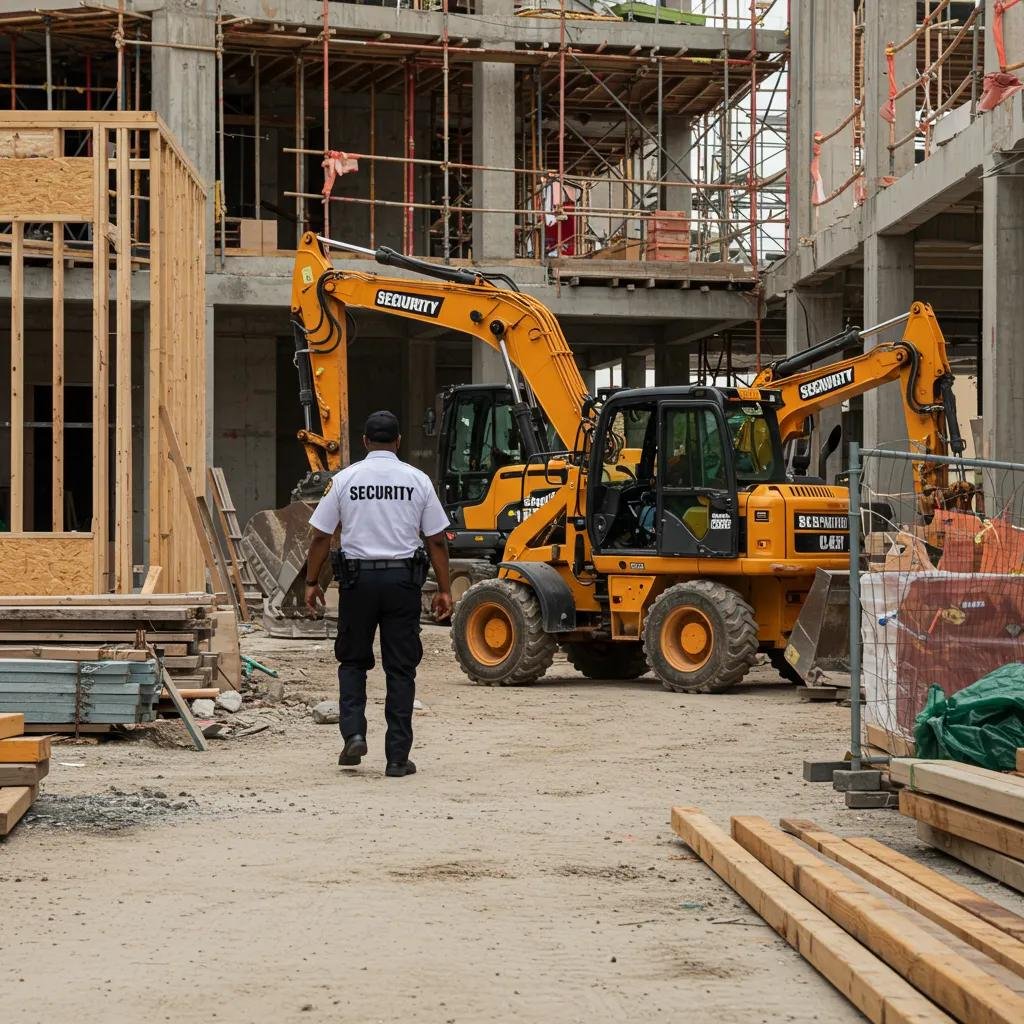
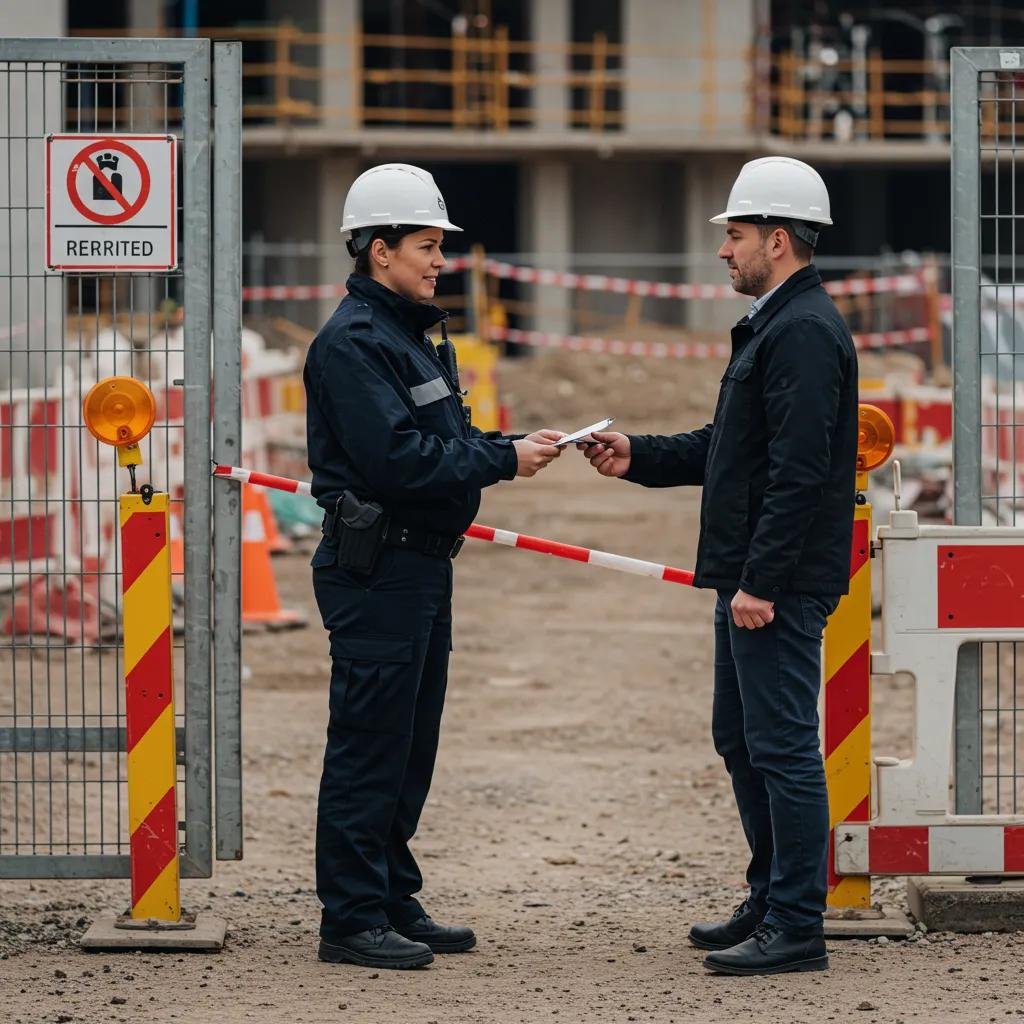
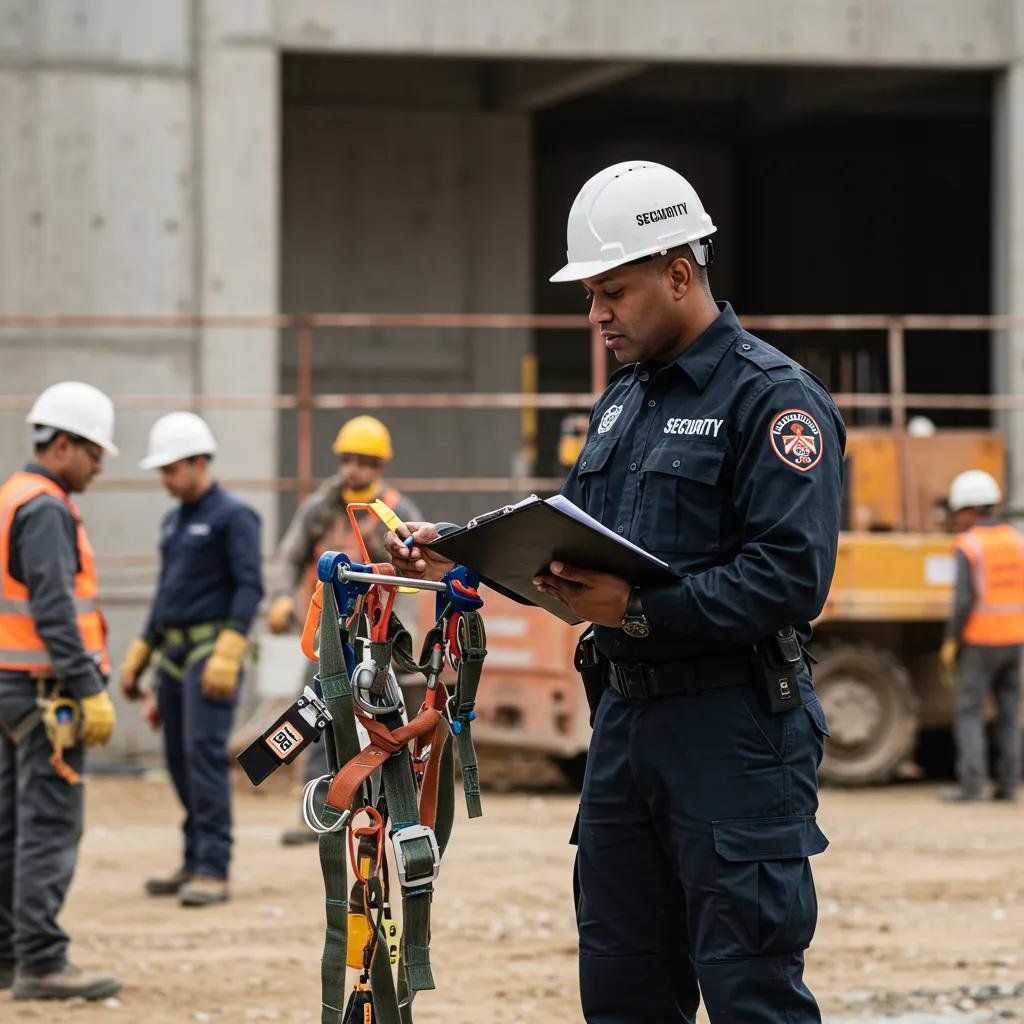
Construction and industrial site security focuses on access control, asset protection, and worker safety through perimeter enforcement, gatehouse operations, and inventory reconciliation procedures. Typical controls include credential checks for subcontractors, vehicle inspections for material movement, and dedicated night patrols to prevent theft of tools, fuel, and equipment. Security teams also collaborate with site safety managers to address hazards, maintain clear staging areas, and ensure that security measures do not impede productivity or compliance. Effective programs reduce costly project delays, shrinkage, and safety incidents by enforcing accountability and controlling site access.

  • Critical measures: perimeter fencing, credentialing, vehicle gates, and inventory checkpoints.
  • Common mitigations for theft include nightly patrols, lighting upgrades, and documented tool inventories.
  • Coordination with project managers aligns security tasks with construction schedules and safety requirements.
What Private Investigation Services Does Mayer Security Provide?

Private investigation services provide discreet fact-finding and evidence collection to support legal, corporate, and personal matters through surveillance, background investigations, and due diligence. Investigators combine observation techniques, record searches, and documented reporting to produce admissible findings while maintaining chain-of-custody protocols for evidence. Typical client scenarios include internal workplace investigations, civil dispute support, and verification of contractor credentials. Confidentiality and adherence to legal boundaries are paramount; investigative workflows prioritize lawful methods and clear deliverables such as sworn affidavits, surveillance logs, and photographic evidence.

Private Military and Security Companies and Their Contribution to Stability The private sector may also have a significant role; as private military and security companies (PMSCs) become more prevalent, governments and international organizations appear increasingly inclined to procure their services. This procurement extends in some instances to combat roles, as well as non-combat support functions, within diverse conflict zones. This trend has prompted critical examination of the ethics surrounding the delegation of public security functions to private entities, particularly when these companies operate beyond the purview of legal accountability. This article proposes mechanisms for establishing such accountability, thereby enabling PMSCs to actively contribute to local and regional stability, which serves as a foundational step towards fostering a more secure environment for both populations and commercial enterprises. Peaceful warriors: Private military security companies and the quest for stable societies, 2009

  • Methods include directed surveillance, background screening, and documentation for litigation support.
  • Deliverables are formatted reports with timelines, observations, and corroborating media.
  • Private investigations complement protective services by resolving risks that guards alone cannot mitigate.
Why Choose Mayer Security Services as Your Houston Security Guard Company?

Choosing a security partner requires evaluating leadership, operational reliability, training rigor, and how technology supports accountability and transparency. Mayer Security Services adds distinct trust signals through veteran ownership and mission-focused leadership that emphasize discipline, structured command, and mission planning — attributes that translate into consistent shift performance and procedural compliance. Reliability is demonstrated through supervisory oversight, real-time reporting, and clear escalation protocols that reduce response times and maintain client communication. Technology integration — from mobile dispatch and incident reporting to surveillance and access control — enhances situational awareness and provides audit trails that strengthen incident response and regulatory compliance for clients.

  • Veteran-owned leadership delivers disciplined operational standards and chain-of-command clarity that many organizations find beneficial.
  • Operational controls such as documented patrol routes, shift supervision, and digital reporting support measurable KPIs and accountability.
  • Technology tools improve transparency and reduce uncertainty by providing timestamped evidence and centralized incident management.

These attributes combine to offer clients a reliable, results-driven partner that balances tactical execution with modern security technology and structured governance.

How Does Veteran Ownership Enhance Mayer’s Security Expertise?

Veteran ownership brings operational discipline, structured training methods, and an emphasis on leadership accountability to civilian security operations. Military-derived practices such as after-action reviews, mission planning, and clear chains of command help standardize procedures and reduce variability in guard performance. These practices also emphasize leadership development at supervisory levels, producing supervisors who can coordinate complex deployments, manage contingencies, and enforce standards consistently across shifts. The result is improved reliability, clearer communication, and a culture of accountability that benefits clients seeking predictable security outcomes.

  • Military best practices translate into effective supervision, standardized checklists, and consistent execution.
  • After-action reviews provide continuous improvement loops for training and incident response.
  • Clients benefit from predictable service levels and disciplined operational oversight.
What Makes Mayer Security Reliable and Results-Driven?

Reliability stems from integrating staffing controls, supervisory oversight, and measurable performance metrics into daily operations. Standard practices include verified shift handoffs, digital incident reporting with photo and timestamped evidence, and scheduled supervisory audits to confirm procedures are followed. Performance measurement uses KPIs such as patrol completion rates, incident response times, and client satisfaction feedback to drive improvements and corrective actions. Clear client communication protocols and escalation pathways ensure that incidents are acknowledged quickly and resolved with documented outcomes, reducing ambiguity and increasing trust.

  • Operational controls create redundancy and predictable service delivery through documented processes.
  • KPIs and audit cycles allow continuous measurement and course correction to maintain service standards.
  • Regular client reporting ensures transparency and supports informed decision-making.
How Does Mayer Integrate Advanced Security Technology?

Advanced security technology enhances guard effectiveness by improving situational awareness, evidence capture, and communication between teams and clients. Integrated platforms typically include mobile dispatch for patrol coordination, real-time incident reporting apps that upload photos and location data, CCTV systems for verification, and access control systems to enforce credentialing. AI-enabled analytics and centralized dashboards can surface anomalies and prioritize response, while digital logs create an audit trail for investigations and compliance reviews. Technology complements personnel by accelerating verification, documenting incidents, and enabling data-driven adjustments to patrol patterns and staffing levels.

  • Technology use-cases include rapid verification of alarms, centralized incident tracking, and evidence preservation.
  • Combining human judgment with automated detection reduces false alarms and improves response efficiency.
  • Transparency and auditability increase client confidence and support contractual accountability.
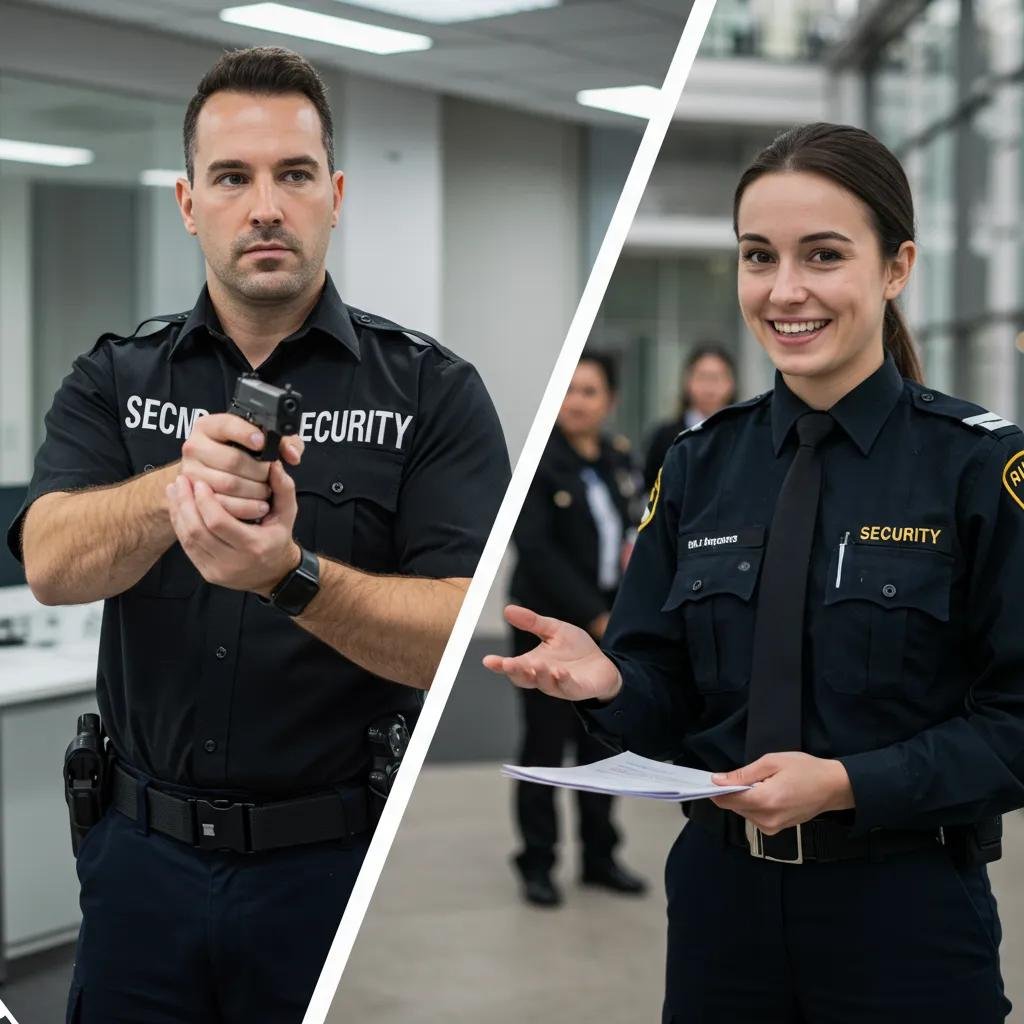
Armed Security Guards in Houston, Mayer Security Services Guards in Action.
Which Industries Benefit Most from Mayer’s Security Solutions?

Certain industries face distinct security challenges where professional guards and integrated systems yield the greatest return on investment. Healthcare facilities need access control, patient and staff safety protocols, and de-escalation training to manage aggressive behavior while protecting privacy and critical services. Construction and industrial sites require asset protection, controlled access for contractors, and theft prevention to avoid costly delays. Event organizers and corporate clients benefit from crowd management, VIP protection, and continuity planning. Each industry demands tailored solutions that combine appropriate guard skill sets, technology, and procedural controls to mitigate specific risks effectively.

  • Healthcare: patient safety, controlled visitor access, and staff escorting are common needs.
  • Construction/Industrial: perimeter control, inventory checks, and night patrols protect assets and schedules.
  • Events/Corporate: crowd flow, access screening, and executive protection preserve safety and reputation.
How Much Do Security Guards Cost in Houston and What Are Typical Rates?

Security guard pricing in Houston is driven by risk level, guard qualifications (armed vs unarmed), shift patterns, specialized training, equipment needs, and contract duration. Market averages vary, but a practical way to estimate costs is to compare unarmed rates for routine posts against armed rates for higher-risk assignments, and then adjust for overtime, night differentials, and specialized roles such as executive protection or licensed investigators. Understanding pricing drivers helps clients budget appropriately and evaluate proposals on a like-for-like basis rather than cost alone. Mayer Security Services customizes quotes by conducting site assessments and aligning staffing and equipment to the identified risk, which ensures clients receive proposals that reflect actual needs rather than generic rate sheets.

This table compares common service types with typical Houston market ranges and factors Mayer considers when tailoring quotes.

Service TypeTypical Houston Rate (avg)Typical Mayer Quote Factors
Unarmed guard (per hour)$22–$26Site risk, shift timing, post duties, access control needs
Armed guard (per hour)$26–$35Firearm certifications, insurance, licensing, liability factors
Mobile patrol (per hour)$28–$40Patrol frequency, vehicle costs, alarm response requirements
What Are the Average Hourly Rates for Armed vs. Unarmed Security Guards?

Average hourly rates in Houston differ primarily because armed guards require additional training, liability coverage, and licensing, which elevates labor and insurance costs. Unarmed guards typically fall in lower hourly brackets suitable for low- to medium-risk environments and customer-facing roles, while armed guards command higher hourly rates to compensate for weapons training, heightened background checks, and greater insurer scrutiny. The selection between the two should weigh the marginal cost increase against the incremental risk mitigation provided by an armed presence, factoring in potential reductions in theft or rapid escalation management where appropriate.

  • Unarmed guard rates tend to be lower due to reduced training and insurance overhead.
  • Armed guard rates include firearm training, higher liability coverage, and licensing costs.
  • Decision-making should balance cost with demonstrable risk reduction and legal constraints.
How Does Mayer Customize Security Quotes for Different Client Needs?

Mayer’s quote process begins with a discovery consultation and a site risk assessment that documents access points, assets at risk, shift windows, and historical incident patterns. Based on that assessment, Mayer proposes staffing models that specify guard roles, shift lengths, supervisory ratios, and technology integrations such as patrol verification or CCTV monitoring that affect pricing. Proposals outline expected deliverables, reporting cadence, and performance metrics so clients can compare options and choose the level of coverage that aligns with their risk tolerance and budget. This consultative approach ensures that clients are not paying for unnecessary capabilities while still addressing identified vulnerabilities.

  • The workflow: initial consult → site assessment → staffing and tech plan → formal proposal.
  • Variables considered include hours, guard qualifications, equipment, and contractual terms.
  • Clients receive a documented plan with options and recommended controls to inform budgeting decisions.
What Factors Influence Security Guard Pricing in Houston?

Several interrelated factors determine final pricing for security services: operational variables like shift length, after-hours differentials, geographic location; personnel factors such as armed status, required certifications, and supervisory ratios; and contractual items including minimum hours, liability insurance requirements, and specialized equipment. Event-driven peaks or rapid deployment needs will increase costs due to last-minute staffing and logistics. Understanding how each factor contributes to total cost empowers clients to adjust scope and optimize expenditure while maintaining necessary protections.

  • Operational factors: shift times, overtime, remote location surcharges.
  • Personnel factors: specialized training, armed status, bilingual requirements.
  • Contractual/equipment factors: vehicle use, access control hardware, body-worn cameras.
How Does Mayer Security Ensure Quality and Training for Houston Security Guards?

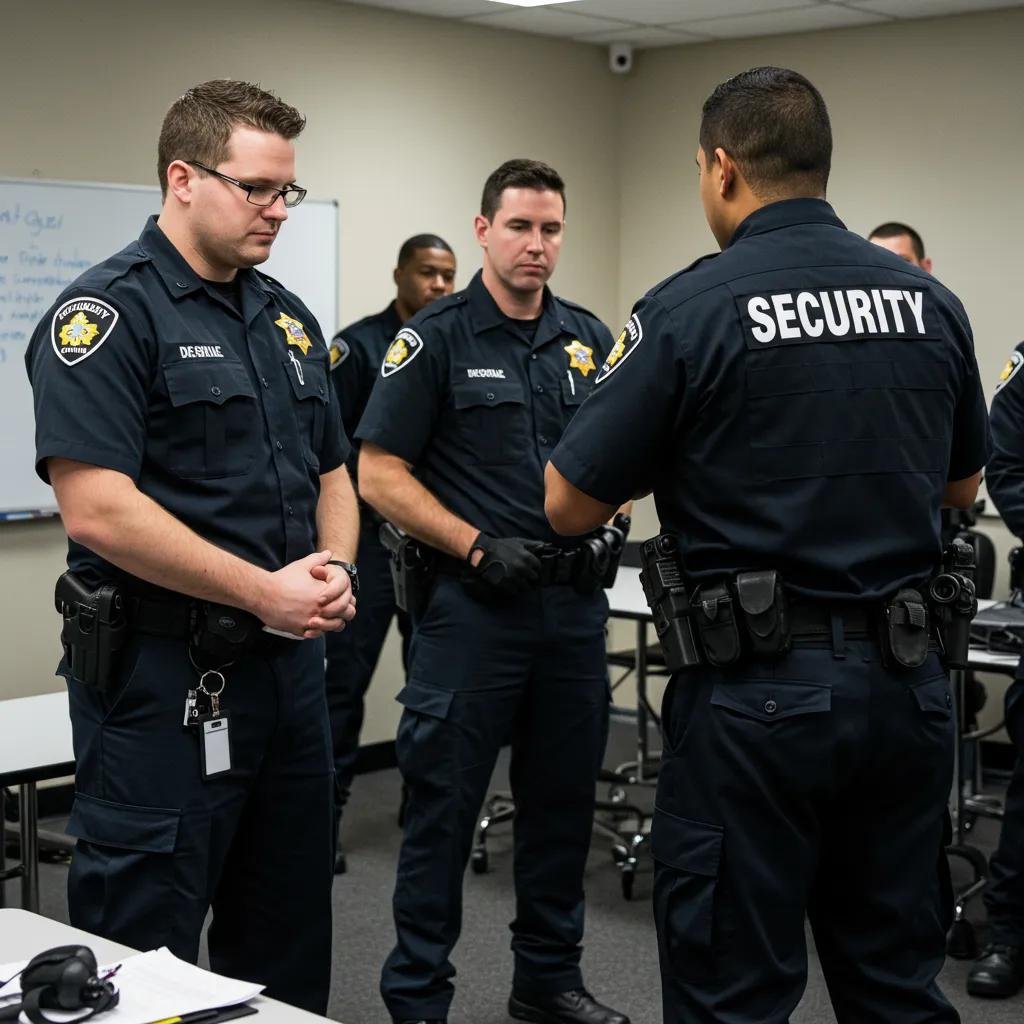
Quality assurance in security requires a blend of licensed hiring practices, structured onboarding, periodic training refreshers, and performance monitoring tied to measurable KPIs. Licensing and baseline standards ensure personnel meet legal requirements, while company onboarding covers site-specific procedures, client policies, and role-based skill development. Ongoing training — including scenario-based drills, de-escalation, and technology modules — keeps teams current on procedural updates and emerging threats. Supervision, client feedback loops, and data from reporting platforms provide objective measures to trigger retraining or operational adjustments when performance falls short.

This table outlines representative training modules, associated competencies, and frequency or measurement metrics used to ensure guard readiness and quality.

Training ModuleSkill / CompetencyFrequency / Measurement
Onboarding & Legal ComplianceLicensing, regulations, site policiesInitial; documented checklists and pass/fail
Use-of-force & De-escalationConflict resolution, control techniquesAnnual refresh; scenario assessments
Technology & ReportingMobile apps, CCTV basics, evidence handlingQuarterly updates; audit of incident reports
What Are the Licensing and Training Standards for Mayer’s Security Personnel?

Licensing standards typically reflect state requirements for private security and any additional certifications for armed personnel; company onboarding supplements legal requirements with site-specific procedures, client policies, and role expectations. Initial training covers de-escalation, legal boundaries, basic first aid, incident reporting, and the use of any assigned technology. Documentation and verification of certifications are maintained as part of the staffing validation process to ensure compliance and readiness before deployment. This combination of legal adherence and company standards reduces risk and ensures transparency for clients.

  • Baseline: state-required licenses plus company verification and documentation.
  • Onboarding topics: legal use-of-force boundaries, reporting protocols, site rules.
  • Verification: training records retained and audited to confirm compliance.
How Does Military Discipline Influence Mayer’s Guard Training?

Military discipline shapes training through emphasis on procedures, accountability, and rapid decision-making under stress. Practices such as regular briefings, after-action reviews, and clear chains of command ensure that guards operate within predictable frameworks and that deviations are quickly corrected. Scenario-based training familiarizes personnel with real-world contingencies and fosters decisive, coordinated responses. These elements translate into fewer procedural lapses and stronger adherence to client protocols.

  • Discipline fosters consistent execution, clearer oversight, and quicker corrective action.
  • After-action reviews provide a feedback loop for continuous improvement.
  • Scenario-driven drills build practical judgment under pressure.
What Ongoing Training and Technology Updates Do Guards Receive?

Ongoing training cycles include periodic refreshers on de-escalation, emergency response, and updates to policies or technology platforms such as incident-reporting apps and body-worn camera use. Technology modules ensure guards can operate mobile dispatch tools, upload evidence, and follow verification workflows that support incident documentation. Performance assessments and data from reporting platforms trigger targeted retraining when KPIs indicate gaps, ensuring that training resources are allocated to measurable needs rather than generic schedules.

  • Training cadence: periodic refreshers with practical assessments.
  • Tech updates: hands-on modules for reporting tools and surveillance integration.
  • Measurement: KPIs inform retraining triggers to maintain performance.
What Types of Events and Clients Does Mayer Security Serve in Houston?

Security needs vary widely across event types and client profiles, and professional guards adapt staffing, screening, and command structures to maintain safety without disrupting the intended experience. Events that typically require professional security include concerts, festivals, sporting events, corporate conferences, and private gatherings where crowd density, alcohol presence, or VIP attendance raise risk levels. Corporate clients range from office complexes to industrial facilities and community organizations, each needing tailored coverage that fits operational rhythms and reputational concerns. Understanding event-specific risks and client goals allows security providers to design proportional, non-intrusive solutions.

  • Event-specific planning ensures appropriate staffing, screening, and emergency routes.
  • Corporate and private clients benefit from scalable teams matched to risk and guest expectations.
  • Tailored approaches reduce disruption while maintaining safety and compliance.
Which Event Types Require Professional Security Services?

Several event categories typically warrant professional security due to crowd size, public access, or the presence of high-profile attendees. Concerts and festivals need crowd flow management, stage perimeter control, and emergency medical coordination; sporting events require entry screening and fan control; corporate conferences demand access control, credentialing, and VIP protection; private parties with high guest counts or significant assets benefit from perimeter control and discrete protection. The deciding factors are attendee density, alcohol service, and the presence of valuables or VIPs that increase exposure.

  • Common categories: concerts, festivals, sports, conferences, large private events.
  • Risk notes: alcohol and high-density crowds increase incident probability.
  • Engagement timing: early planning ensures proper staffing ratios and contingency plans.
How Does Mayer Manage Crowd Control and VIP Protection at Events?

Effective crowd control combines pre-event planning, clear ingress/egress routing, visible staff presence, and contingency strategies for surges or medical incidents. Staffing models divide responsibilities between perimeter control, entry screening, internal roving teams, and VIP escorts, with communication protocols that link all teams to an incident command post. VIP protection emphasizes advance reconnaissance, movement planning, and discreet security details that minimize profile while securing safe transit. Coordination with local emergency services and venue staff increases resilience and ensures lawful, efficient incident management.

  • Tactics include staged staffing, checked access points, and clear communications channels.
  • VIP protection relies on advance plans and low-visibility protective measures.
  • Liaison with local authorities improves response capability for larger incidents.
What Corporate and Private Clients Trust Mayer Security in Houston?

Clients typically include facility managers, construction project leads, healthcare administrators, event organizers, corporate headquarters, and community organizations that require dependable security to protect people, assets, and reputation. These client archetypes prioritize reliability, clear reporting, and vendors who can align security operations with business objectives and compliance obligations. Organizations select providers that demonstrate operational discipline, transparent metrics, and the ability to scale resources in response to changing needs.

  • Archetypes: corporate campuses, healthcare facilities, construction firms, event producers.
  • Primary motivators: reliability, measurable outcomes, compliance support, and responsiveness.
  • Example pairing: a construction manager hires nightly patrols and access control to reduce theft and schedule delays.
How Does Mayer Security Support Houston’s Healthcare and Disaster Response Security Needs?

Specialized security for healthcare and disaster response protects vulnerable populations, preserves critical operations, and supports emergency services during crises. Healthcare security programs focus on access control, patient and staff safety, patient escorting, and de-escalation training to manage aggressive behavior while preserving privacy and clinical workflows. Disaster response security emphasizes rapid mobilization, site staging, and continuity planning to protect people and assets during hurricanes, floods, or large-scale disruptions. Both contexts require documented protocols, coordination with public responders, and staff trained for high-stress scenarios to maintain continuity and minimize harm.

  • Healthcare protocols balance safety with patient dignity and HIPAA-sensitive environments.
  • Disaster response includes staging, triage support, and continuity roles for asset protection.
  • Specialized training and planning reduce the human and operational costs during emergencies.
What Are Mayer’s Healthcare Security Solutions?

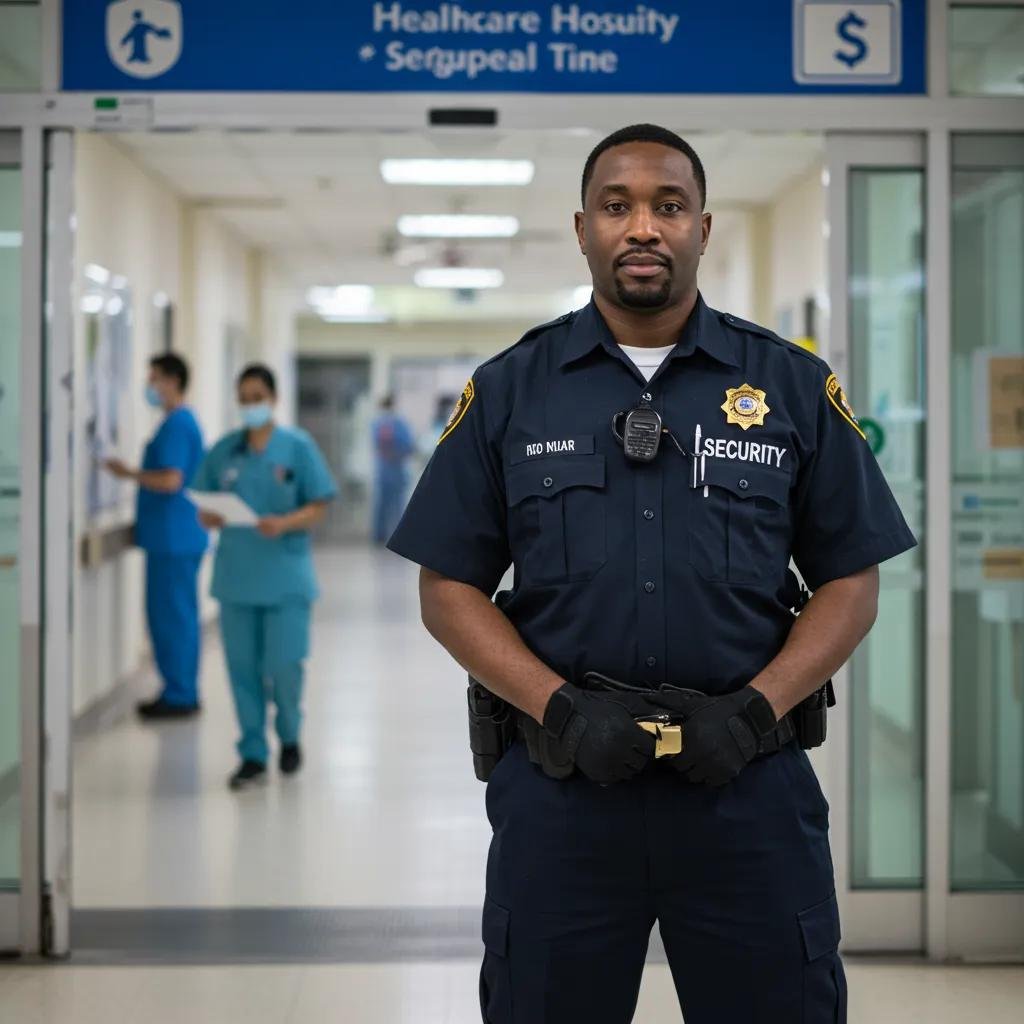
Healthcare security solutions center on controlled entry, visitor management, staff escorts, and de-escalation strategies tailored to clinical settings. Guards are trained to recognize behavioral cues, apply non-physical de-escalation techniques, and coordinate with nursing and administrative staff to manage disruptive incidents without compromising patient care. Access control mechanisms restrict entry to sensitive areas, and reporting systems document incidents to support follow-up and policy adjustments. This blend of procedural control and clinical coordination helps maintain a safe environment for staff and patients while preserving clinical workflows.

  • Key tasks: visitor screening, staff escorting, controlled access to restricted areas.
  • De-escalation training reduces physical interventions and supports safety.
  • Coordination with clinical staff ensures security actions do not impede care delivery.
How Does Mayer Respond to Disaster and Emergency Security Situations?

Disaster response protocols prioritize rapid mobilization, defined staging areas, and liaison with emergency services to support evacuation, asset protection, and continuity of operations. Security teams can be assigned roles such as perimeter control, access management for relief personnel, and protection of critical infrastructure to prevent opportunistic theft during chaotic conditions. Pre-established emergency plans and practiced mobilization sequences shorten response times and clarify roles, which reduces chaos and preserves safety for responders and affected populations.

  • Rapid deployment relies on pre-planned staging, clear command roles, and logistical support.
  • Coordination with emergency services and local officials is essential for legal and operational alignment.
  • Continuity tasks include safeguarding critical assets and supporting controlled re-entry processes.
Why Is Specialized Security Critical in Healthcare and Disaster Scenarios?

Specialized security is critical because the consequences of inadequate protection in these contexts include compromised patient safety, interrupted life-saving services, and increased liability and reputational damage. Healthcare environments demand sensitivity to privacy and clinical priorities, while disaster situations require scalable, rapid-response capabilities that conventional security staffing models may not provide. Specialized protocols, training, and coordinated planning materially reduce incident escalation and support faster recovery and continuity.

  • Unique risks: vulnerable populations, high-value assets, and critical continuity needs.
  • Specialized protocols reduce interruptions to essential services and protect reputation.
  • Investment in tailored security yields measurable reductions in incidents and faster recovery.
How Can You Request a Security Quote or Consultation from Mayer Security Services in Houston?

Requesting a security quote involves a clear sequence of steps that produce a tailored plan aligned to operational risk and budget. The recommended process includes an initial consultation to document needs, a site assessment to evaluate threats and infrastructure, and a proposal that outlines staffing, technology, deliverables, and KPIs. Clients who prepare site details — hours of operation, incident history, access points, and special events — receive faster, more accurate proposals. Mayer Security Services follows a consultative workflow that results in a customized proposal and an onboarding plan that clarifies mobilization steps and reporting expectations.

  • Initial consultation to define objectives, schedules, and known incidents.
  • On-site assessment to document access points, assets, and vulnerabilities.
  • Proposal and pricing that match staffing levels, technology needs, and performance metrics.

This stepwise approach ensures transparency and produces proposals that clients can compare objectively rather than relying solely on hourly rates.

What Is the Process to Hire Security Guards in Houston Through Mayer?

The hiring and onboarding flow typically begins with discovery and consultative planning, followed by a site visit and risk assessment that determines guard numbers, roles, and technology needs. After the assessment, clients receive a formal proposal that details scope, expected deliverables, reporting cadence, and timelines for mobilization. Once the contract is agreed, Mayer conducts onboarding that includes staff assignments, shift schedules, supervisory briefings, and initial audits to verify that services meet agreed standards. This sequence ensures clients understand timelines, responsibilities, and performance expectations before deployment.

  • Steps: consult → site assessment → proposal → contract → mobilization and initial audit.
  • Timelines and deliverables are documented to set expectations.
  • Onboarding includes site-specific briefings and supervisory oversight.
How Can Clients Get Customized Security Plans and Pricing?

Clients can accelerate customized planning by providing key inputs such as site layout, hours of operation, historical incident reports, special event schedules, and any regulatory constraints. Mayer uses these inputs to develop a staffing and technology plan that itemizes recommended posts, patrol patterns, supervisory ratios, and necessary equipment. Proposals include optional tiers so clients can choose a baseline service or augment coverage for higher-risk periods. Follow-up meetings refine scope and finalize contractual terms to align protection levels with budget and risk tolerance.

  • Useful client inputs: site maps, incident history, operational hours, peak events.
  • Deliverables: staffing plan, equipment recommendations, reporting cadence, and pricing tiers.
  • Iterative revisions ensure the proposal fits operational and financial needs.
Where Is Mayer Security Services Located and What Areas Do They Serve?

Mayer Security Services operates as a Houston-based, veteran-owned provider serving Houston and surrounding regional areas; clients should request an assessment to confirm specific coverage and response capabilities for their location. Service areas commonly include urban and suburban Houston corridors and regional industrial zones where asset protection and rapid response are required. For precise service area confirmation and to schedule an assessment, organizations are encouraged to initiate the consultative process described above to verify availability and mobilization timelines.

  • Mayer is Houston-based and serves Houston-area clients and regional sites.
  • Coverage typically includes urban, suburban, and industrial service areas in the region.
  • Contact for an assessment to confirm exact coverage and mobilization timelines.
Frequently Asked Questions
What qualifications should I look for in a security guard?

When hiring a security guard, it’s essential to consider their qualifications, which typically include state licensing, background checks, and relevant training. Look for guards who have completed training in areas such as conflict resolution, emergency response, and first aid. Additionally, experience in specific environments, such as healthcare or event security, can be beneficial. For armed guards, ensure they have the necessary firearm certifications and have undergone rigorous training. These qualifications help ensure that the guard can effectively manage risks and respond to incidents appropriately.

How can I assess the effectiveness of a security service?

To assess the effectiveness of a security service, consider several key performance indicators (KPIs) such as incident response times, the number of incidents reported, and client satisfaction ratings. Regular audits and feedback from clients can provide insights into operational performance. Additionally, reviewing incident reports and the outcomes of security interventions can help gauge effectiveness. Engaging in regular communication with the security provider to discuss performance metrics and areas for improvement is also crucial for maintaining high standards of service.

What should I expect during a security consultation?

During a security consultation, you can expect a thorough assessment of your specific needs and vulnerabilities. The security provider will typically conduct a site visit to evaluate access points, potential risks, and existing security measures. They will discuss your operational requirements, such as hours of coverage and specific incidents that have occurred in the past. Following this assessment, the provider will present tailored recommendations, including staffing levels, technology needs, and pricing options, ensuring that the proposed plan aligns with your security objectives and budget.

How does Mayer Security handle emergency situations?

Mayer Security has established protocols for handling emergency situations, which include rapid mobilization of security personnel, clear communication channels, and coordination with local emergency services. Security teams are trained to respond to various emergencies, from medical incidents to security breaches. They follow predefined roles and responsibilities to ensure a swift and organized response, minimizing chaos and ensuring the safety of all individuals involved. Regular drills and scenario-based training help prepare guards for real-life emergencies, enhancing their effectiveness during critical situations.

What industries benefit most from specialized security services?

Specialized security services are particularly beneficial in industries such as healthcare, construction, events, and corporate environments. Healthcare facilities require security to manage patient safety and protect sensitive information, while construction sites need to prevent theft and ensure worker safety. Events often demand crowd management and VIP protection to maintain safety and order. Corporate clients benefit from tailored security solutions that align with their operational needs and compliance requirements. Each industry presents unique challenges that specialized security services can effectively address.

Can security services be customized for specific events?

Yes, security services can and should be customized for specific events. Factors such as the type of event, expected attendance, venue layout, and potential risks all influence the security plan. A thorough risk assessment allows security providers to tailor their approach, including staffing levels, access control measures, and emergency response protocols. Customization ensures that security measures are proportionate to the event’s unique characteristics, enhancing safety while minimizing disruption to the event experience.

What role does technology play in modern security services?

Technology plays a crucial role in modern security services by enhancing situational awareness, improving incident response, and providing detailed reporting capabilities. Tools such as surveillance cameras, access control systems, and mobile reporting apps allow security personnel to monitor environments in real-time and document incidents effectively. Advanced analytics can help identify patterns and potential threats, enabling proactive measures. By integrating technology with human oversight, security services can achieve higher levels of efficiency and effectiveness, ultimately leading to improved safety outcomes for clients.

Conclusion

Choosing Mayer Security Services for your security needs in Houston ensures a reliable partnership that prioritizes safety, operational discipline, and tailored solutions. Our comprehensive offerings, from armed and unarmed guards to specialized event protection, are designed to meet the unique challenges of various industries. By leveraging advanced technology and experienced personnel, we enhance security outcomes while maintaining transparency and accountability. Contact us today to discuss how we can customize a security plan that aligns with your specific requirements.

Life as a Bodyguard : Watching the High Life You’ll Never Touch

By Jason Essazay ·

Bodyguards in black suits providing discreet security at a corporate or hotel event
Professionalism is measured by calm presence and consistent awareness.

Introduction

Working in executive protection puts you close to people who lead busy and demanding lives. You are present in the background of meetings, events, and travel, focused on keeping everything safe and orderly. You see high performance and responsibility up close, but your work is not about chasing that world. It is about protecting it with consistency and discipline.

Executive protection bodyguards near SUVs at night outside a building
Every detail matters, from approach to posture to awareness.

The Dichotomy of Two Worlds

In executive protection, contrast is constant. One moment you might be inside a boardroom or high-security facility, and the next you are back to a normal routine. The job demands that you move between environments seamlessly and without letting either side affect the other.

When the shift ends, most professionals prefer quiet. They go home, reset, and spend time with family. That line between the professional world and personal life keeps perspective clear and prevents burnout.

Off-duty security professional walking through a quiet suburban street at dusk
Balance begins when the uniform comes off and the day comes to an end.

Bearing: The Art of Balance

Bearing is more than posture. It is the mindset of steadiness, respect, and readiness that defines good protection work. It means remaining composed in every situation, regardless of how intense or unpredictable. These habits create trust and reliability.

Good protection is not about recognition or status. It is about consistency and professionalism when no one is watching. True bearing is quiet confidence built over time.

The Importance of Separation

Security work can be demanding. The best professionals know when to switch off and when to stay on. Detachment is not about distance—it is about balance. It allows you to maintain focus on the job while still living a full, personal life outside of it.

Respecting boundaries—both personal and professional—is what keeps judgment clear and relationships strong. The job ends when the shift does, and that is what keeps perspective intact.

Life Off the Clock

Many protection professionals train outside of work to stay sharp and grounded. Activities like Jiu-Jitsu, hunting, or firearms training improve coordination, patience, and calm under pressure. They also serve as a mental reset, separating the person from the profession while strengthening both.

Security professional training Jiu Jitsu and firearms to maintain discipline
Structured training outside of work reinforces focus and composure on duty.

Why Hobbies and Relationships Matter

Balance is not a luxury—it is a strength. Jiu-Jitsu teaches control and patience. Hunting develops observation and discipline. Range work builds focus and precision. Time with family restores empathy and purpose. These things help create stability, and stability leads to better performance at work.

The Psychological Edge of Balance

Protection work is about preparation, not reaction. The people who excel in this field live structured lives, build strong habits, and maintain clear priorities. A full life outside of work brings calmness and sharp decision-making on duty. Balance is what makes professionals consistent and dependable.

Closing Thoughts

Being a security professional means operating with composure, humility, and awareness. You may work in high-profile spaces, but the measure of your success is the quiet confidence and reliability you bring. Protecting others begins with knowing how to protect your own time, focus, and peace of mind.

To protect means to stand apart, not above. The professionals who last understand their purpose, value their personal lives, and maintain clear boundaries. That discipline is what makes them steady, effective, and trusted.


For more on professional standards in this field, visit the International Association for Healthcare Security & Safety and ASIS International. Learn more about executive protection principles.

Explore more insights and professional security solutions at Mayer Security Services, including executive protection and healthcare security throughout Greater Houston.

Houston Security Guards: Expert Armed, Unarmed Security for Your Business.

Security Guards Houston, Mayer Security Armed & Unarmed Security

Our Houston security guard services offer robust on-site protection, combining highly trained personnel, strategic patrol operations, and industry-specific protocols to safeguard your people, property, and business operations. This guide details how armed, unarmed, and patrol security functions, highlights the advantages of veteran-led leadership, and explains how customized programs effectively reduce risk for healthcare, construction, commercial, and event venues. You’ll discover key cost factors, understand Texas Department of Public Safety licensing requirements, and find a step-by-step hiring checklist to help you select the ideal Houston security guard company. We cover available service types, the operational edge of veteran-owned firms, sector-specific solutions, pricing considerations with a comparative table, essential licensing, and the technology shaping security in 2025. Throughout, we use terms like “security patrol services Houston,” “armed security guards Houston,” and “Texas DPS security licensing” to ensure relevance for local searches and procurement decisions.

Texas Department of Public Safety Licensing for Security Guards Readers will learn practical cost drivers, licensing rules from the Texas Department of Public Safety, and a step-by-step hiring checklist so managers can select the right Houston security guard company. Texas Department of Public Safety, 2018

What Types of Security Guard Services Are Available in Houston?

Houston security guard services encompass a wide range, from armed and unarmed guarding to mobile patrols and specialized protective measures designed to deter crime and manage incidents effectively. These services function by deploying trained professionals, providing a visible deterrent, and implementing procedural reporting to minimize theft, vandalism, and safety issues. The outcome is enhanced asset protection and swift escalation to law enforcement when necessary. Understanding each service type is crucial for businesses to select the appropriate security posture based on their site’s risk profile and compliance needs. Below, we define the common service types and their typical operations within Houston.

This list outlines the primary service types and their key benefits for Houston businesses.

  1. Armed Security Guards: Offer a superior deterrent and immediate armed response capability for high-risk locations and operations involving cash handling.
  2. Unarmed Security Guards: Provide a visible presence, manage access, and offer customer-facing de-escalation for retail, offices, and lower-risk properties.
  3. Security Patrol Services: Utilize mobile vehicle or foot patrols to monitor perimeters, conduct random checks, and deliver prompt incident reporting.
  4. Specialized Services: Include tailored security for healthcare, construction sites, executive protection, and events, all with industry-specific protocols.

These service categories form a comprehensive security spectrum, with armed and technology-enhanced models addressing higher risks, while unarmed and patrol services focus on prevention and reporting.

The following table compares legal and operational attributes to clarify typical duties and optimal use cases.

Different guard services possess distinct legal and operational characteristics that influence selection and deployment.

Service TypeTypical DutiesBest-Use Scenario
Armed SecurityArmed response, armed patrols, cash escortHigh-risk facilities, cash-handling, valuable cargo
Unarmed SecurityAccess control, visitor screening, customer serviceRetail, office buildings, hospitality venues
Patrol ServicesMobile checks, perimeter surveillance, alarm responseConstruction sites, large campuses, mixed-use properties
Executive ProtectionAdvance security, close protection, route planningVIPs, high-profile executives, sensitive travel

This comparison illustrates how aligning operational duties with site risk through the correct service type leads to better procurement decisions and resource allocation.

What Are the Differences Between Armed and Unarmed Security Guards in Houston?

Armed guards are authorized to carry firearms and must meet Texas DPS licensing standards. This entails higher liability and insurance considerations but provides immediate on-site armed response capabilities to deter serious criminal threats. Unarmed guards focus on access control, customer service, patrols, and documentation without carrying a weapon, which reduces liability and costs while still offering strong prevention and reporting. The core differences lie in licensing, equipment, and training: armed personnel undergo specific firearm training and ongoing qualifications, while unarmed staff emphasize de-escalation and observational reporting. For many Houston businesses, the choice hinges on balancing the site’s threat level, legal exposure, and community expectations.

Guidelines for Armed and Unarmed Security Guards The UN guidelines on the use of armed guards: Recommendations for improvement. This paper reviews the guidelines in which armed and unarmed security guards may be deployed. It also discusses the implications for the use of unarmed and armed security guards. The UN guidelines on the use of armed guards: Recommendations for improvement, E Krahmann, 2014

Understanding these distinctions naturally leads to considering patrol services as a valuable force multiplier, whether guards are armed or unarmed.

Security Guards Houston, Mayer Security Services Armed Security Guards

How Do Security Patrol Services Enhance Business Safety in Houston?

Security patrol services provide a regular and unpredictable presence across a property through foot, vehicle, or mobile units, deterring opportunistic crime and identifying vulnerabilities before incidents escalate. Patrols enhance safety via timed checks, alarm verification, real-time incident reporting, and coordination with law enforcement agencies like the Houston Police Department when official response is required. The result is demonstrably lower rates of theft and faster resolution of alarm events, with patrol logs offering essential audit trails for insurers and management. Effective patrol programs also integrate with surveillance and access control systems to direct resources to problem areas and optimize response times.

Patrol effectiveness is contingent on cadence, documentation, and integration with site technology, which naturally connects to how specialized services tailor those patrols to specific industry needs.

What Specialized Security Services Does Mayer Security Offer for Houston Businesses?

Specialized security services adapt standard guard functions to address industry-specific risks. For example, healthcare protection focuses on patient and staff safety, while construction site security targets the theft of equipment and materials. Mayer Security Services provides armed and unarmed offerings, along with custom patrol solutions, across Greater Houston, maintaining a branch presence in Sugar Land and applying tailored protocols for each industry’s unique demands. These specialized services rely on role-specific training, site-specific risk assessments, and coordination with local authorities to achieve effective mitigation. By matching staffing profiles and technology to the specific environment, specialized services significantly reduce incidents and help sites meet compliance expectations.

Specialized deployments typically commence with a formal risk assessment, which then informs recommended staffing and technology configurations for long-term operational resilience.

Why Choose a Veteran-Owned Security Guard Company in Houston?

A veteran-owned security guard company leverages military leadership, operational discipline, and a structured chain-of-command to deliver consistent security outcomes and predictable incident management. Military experience imparts transferable skills—situational awareness, calm decision-making under pressure, and adherence to standard operating procedures—that enhance guard performance during complex incidents. Veteran leadership often prioritizes continuous training, thorough after-action reporting, and mission-focused planning, resulting in tighter procedures and clearer accountability. Consequently, businesses can expect disciplined operations and improved guard retention, contributing to lower turnover and steadier service delivery.

The operational advantages of veteran leadership translate into specific training and licensing practices, which we will discuss next.

This section highlights the operational strengths associated with veteran leadership through a concise list.

  • Leadership and Discipline: A structured command reduces ambiguity in incident response and escalation.
  • Operational Training: Veteran-led programs emphasize drills, standards, and after-action reviews.
  • Community Credibility: Veteran status fosters trust with local partners and first responders.

How Does Military Experience Improve Security Guard Performance?

Military experience enhances guard performance by instilling mission focus, a rigorous chain-of-command, and standardized procedures that guide behavior during incidents and daily operations. Veterans bring practiced situational awareness and decision-making frameworks that reduce response times and improve incident containment, benefiting both prevention and post-incident documentation. Examples include disciplined patrol routines, clear radio protocols, and methodical incident reporting, all of which create reliable audit trails for managers and law enforcement. These operational habits increase predictability and lower the likelihood of procedural errors during high-stress events.

The enhanced performance derived from military habits complements formal training and licensing, ensuring compliance with Texas regulatory requirements, which we will cover next.

What Training and Licensing Do Mayer Security Guards Have in Texas?

Mayer Security Services ensures all guards meet the Texas Department of Public Safety licensing requirements for armed and unarmed roles, including background checks, fingerprinting, and mandated coursework. Our company training supplements these basic requirements with site-specific drills, CPR/first aid certification, and de-escalation modules. Internal programs emphasize regular in-service training and supervised audits to maintain skills and compliance across all assignments in Greater Houston and our Sugar Land branch.

Comprehensive insurance, bonding, and documented vetting are integral components of a compliant guard provider’s responsibilities, underpinning client confidence in service reliability. Ongoing training cycles sustain readiness and align guard behavior with evolving risks and client expectations.

How Does Mayer Security’s Proactive Approach Prevent Crime and Vandalism?

A proactive security approach significantly reduces incidents by combining thorough risk assessments, visible deterrence, environmental recommendations, and a consistent patrol cadence to eliminate opportunistic conditions for crime. Mayer Security Services employs structured risk assessments to recommend improvements in lighting, access control, and patrol scheduling that lower theft and vandalism rates, while meticulously documenting all interventions for client review. Community liaison with local law enforcement and routine audits further reduce recurrence by closing informational gaps and sharing intelligence on emerging neighborhood risks. Measurable KPIs—such as incident rate, average response time, and patrol compliance—allow clients to quantify improvements and justify security investments.

Proactive tactics also inform industry-specific deployments designed to address unique operational challenges across various sectors in Houston.

Which Industry-Specific Security Solutions Are Essential for Houston Businesses?

Industry-specific security solutions align guard postures, technology, and training with the primary threats faced by healthcare, construction, commercial, and event operations, ensuring legal compliance and operational continuity. These tailored solutions work by identifying high-risk assets, defining control points, and assigning guard duties and technology layers that directly mitigate identified vulnerabilities. For each industry, recommended measures include role-specific training, access policies, and patrol frequencies to manage the most common threats. The EAV table below compares primary threats and recommended solutions across typical Houston industries to assist decision-makers in matching resources to exposure.

IndustryPrimary ThreatsRequired Training & Coverage
HealthcareAggressive behavior, unauthorized accessDe-escalation, visitor management, 24/7 access control
ConstructionEquipment theft, vandalismPerimeter patrols, asset tagging, night vehicle patrols
Commercial/IndustrialTheft, dock incidents, unauthorized entryLoss prevention, 24/7 guarding, integrated access control
EventsCrowd incidents, ingress/egress controlCrowd management, credentialing, medical readiness

This comparison demonstrates that matching training and coverage to the specific industry threat profile yields superior protection and a clearer ROI for security expenditures.

What Are the Unique Security Challenges for Healthcare Facilities in Houston?

Healthcare facilities must meticulously balance patient access, confidentiality, and safety while actively preventing aggressive incidents and controlling flow through critical zones. This necessitates guards trained in de-escalation techniques, visitor screening protocols, and HIPAA-adjacent privacy awareness. Security plans incorporate layered access control, distinct protocols for behavioral health areas, and close coordination with hospital administration and local emergency services for rapid medical and law enforcement support. Practical measures include checkpoint screening, identification verification, and clear escalation paths for incidents to ensure the safety of patients, staff, and visitors. Ongoing training in situational communication and clinical-area considerations guarantees that guards act appropriately within care environments.

Healthcare protocols are interconnected with construction and commercial security needs where asset protection and site access are primary concerns.

How Does Construction Site Security Protect Against Theft and Vandalism in Houston?

Construction site security integrates physical barriers, targeted patrols, and surveillance systems to deter the theft of tools, equipment, and materials, which are common issues on Houston projects. Layered defenses are crucial for preventing loss and avoiding project delays. Recommended tactics include secure fencing, strategic lighting, nighttime vehicle patrols, equipment immobilization or tagging, and rapid alarm-response coordination with mobile units to verify breaches. Regular inventory checks and documented chain-of-custody for high-value assets minimize opportunities for internal or external theft. Proactive patrol scheduling and surveillance analytics can demonstrate measurable reductions in loss and project downtime.

Construction site strategies frequently incorporate mobile patrols and technology integrations, which are discussed further in the technology section.

What Commercial and Industrial Security Services Are Available in Houston?

Commercial and industrial sites require comprehensive loss prevention, robust dock security, stringent access control, 24/7 guarding, and thorough internal investigations to protect operations and supply chains. These solutions combine vigilant human monitoring with advanced surveillance systems for complete coverage. Staffing models range from daytime reception guards to round-the-clock armed or unarmed posts, supported by vehicle patrols and remote video monitoring to secure shipping docks and inventory areas. Integration with asset management systems and documented incident investigations effectively reduce shrinkage and liability exposure for warehouses and manufacturing centers. Regular joint reviews with operations teams refine coverage to strike an optimal balance between cost and risk reduction.

How Can Event Security Services Ensure Safety at Houston Gatherings?

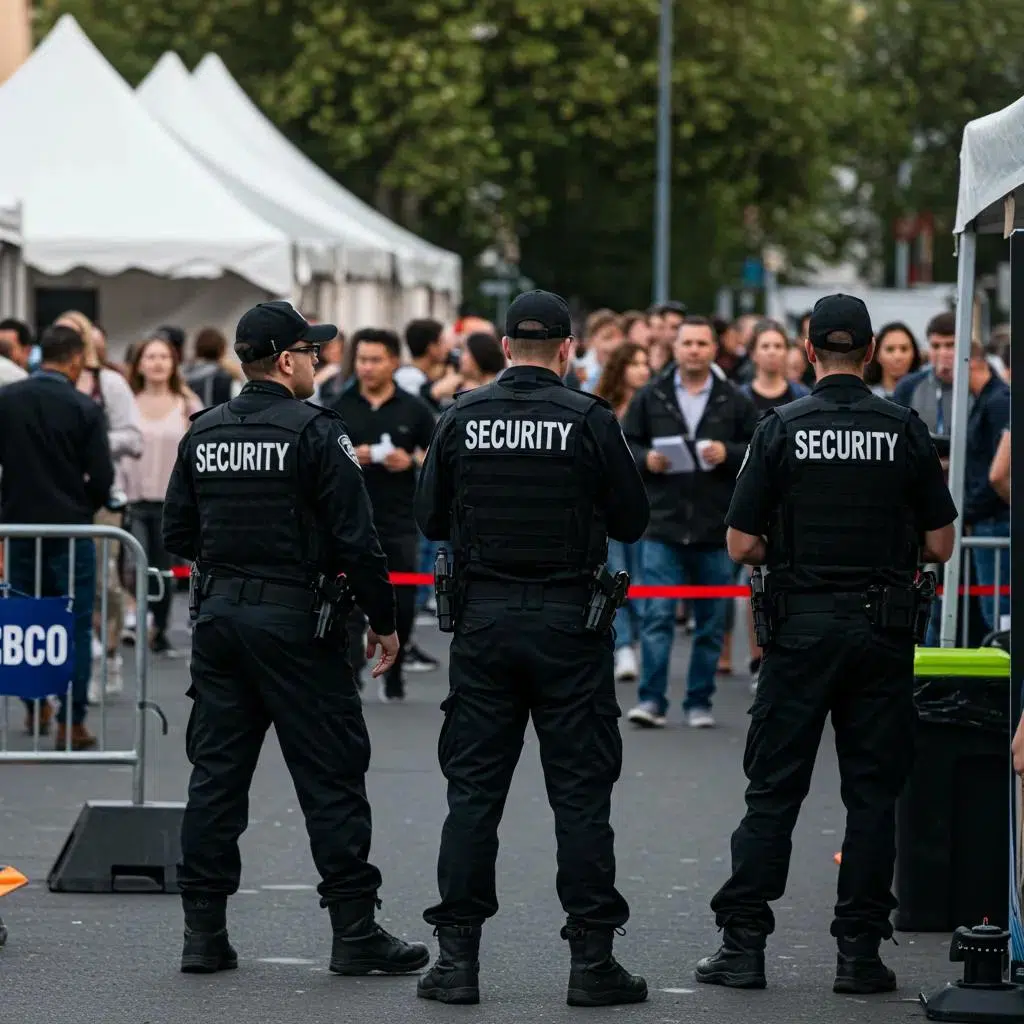
Event security focuses on effective crowd management, controlled ingress and egress, meticulous credentialing, comprehensive emergency evacuation planning, and close liaison with local authorities to ensure the safety of gatherings, from small corporate meetings to large public events. Staffing ratios are carefully planned based on event size and risk type, incorporating credential checks, bag inspections, and medical readiness protocols to minimize incidents and expedite emergency response. Pre-event risk assessments identify potential vulnerabilities and inform role assignments, radio plans, and evacuation routes, which are then rehearsed with event staff. Clear post-event reporting and debriefs capture valuable lessons learned and support continuous improvement for future events.

Security Guards in Houston, TX, Mayer Security Services concert security

How Much Do Security Guard Services Cost in Houston and What Factors Affect Pricing?

The cost of security guard services in Houston is primarily influenced by the type of service (armed vs. unarmed), shift length and schedule, the site’s risk level, any required certifications or specialized training, and the inclusion of specific equipment or technology in the contract. These factors impact base hourly rates, insurance premiums, minimum-hour requirements, and overall contract terms, collectively determining the total cost of a security program. Businesses should evaluate these costs against the expected risk reduction and potential loss avoidance to calculate a clear ROI.

Pricing is affected by multiple attributes that alter total cost and expected outcomes; compare them carefully before committing.

Service CategoryPricing DriversTypical Value Influence
Armed GuardHigher wages, insurance, firearm trainingSignificantly increases hourly cost due to liability
Unarmed GuardLower wage base, basic trainingCost-effective for low-to-medium risk sites
Patrol ServicesVehicle costs, mileage, shift lengthMedium influence; randomized patrols add deterrence
Specialized / EventTraining, staffing ratios, credentialingVariable; events can spike short-term costs

This table clarifies how service selection and required attributes drive price and where cost trade-offs can be made between coverage and budget.

What Influences the Price of Armed vs. Unarmed Security Guards in Houston?

Armed services incur higher direct wage rates, additional insurance and liability premiums, and ongoing firearms qualification expenses, collectively creating a premium compared to unarmed services. Unarmed roles require investment in de-escalation training and customer service skills but typically involve lower hourly labor and insurance costs. Equipment expenses (body armor, radios) and required minimum staffing hours also affect the final price, while overtime and weekend shifts can substantially increase hourly rates. Businesses should carefully weigh the marginal cost against the incremental risk reduction provided by armed capabilities when selecting a security posture.

Understanding these drivers facilitates customized planning, which can optimize costs while maintaining necessary protection levels.

How Does Customized Security Planning Impact Service Costs?

Customized security plans begin with a thorough risk assessment that defines optimal staffing levels, necessary technology, and contract terms, enabling managers to prioritize interventions that deliver the best risk-reduction per dollar spent. Customization can reduce long-term costs by focusing resources on high-risk periods, bundling patrols with technology solutions, or scheduling shared patrol coverage across adjacent sites. The EAV-style table below illustrates how customization options align with cost influences and expected outcome improvements for common choices.

Custom OptionCost DriverExpected Outcome
Risk-based staffingLabor allocationFewer hours wasted on low-risk periods
Tech augmentationEquipment investmentReduced guard hours, improved detection
Bundled servicesContract structureLower per-service rates through economies

This mapping demonstrates that targeted customization often yields improved ROI by aligning expenditure with specific risk exposure.

Are There Cost Benefits to Hiring Veteran-Led Security Companies in Houston?

Hiring a veteran-led security firm can yield cost benefits through enhanced operational discipline, potentially lower turnover rates, and consistent procedures that reduce training ramp-up time and incident-related expenses. These advantages are realized when leadership translates military-derived processes into efficient scheduling, reliable reporting, and higher guard retention—metrics that can lower replacement and administrative costs. Businesses should track KPIs such as turnover rate, incident frequency, and average response time to validate realized savings. While exact savings vary by client and operation, disciplined leadership consistently contributes to measurable improvements in service consistency and risk reduction.

Tracking KPIs provides the necessary evidence to justify any premium paid for experienced or veteran-led providers.

How Can Houston Businesses Hire the Right Security Guard Company?

Selecting the right security guard company requires a systematic vetting process: verify licensing and insurance, review training and background-check procedures, request references and site-specific proposals, and ensure technology and reporting capabilities meet your requirements. A structured procurement approach—including site assessment, RFP issuance, a trial period, and SLA negotiation—ensures the provider can meet performance expectations and adapt effectively post-deployment. Look for documentation demonstrating compliance with Texas DPS requirements, clear escalation protocols, and quality-assurance practices such as supervisory visits and audits. Below is a practical checklist to guide your vendor selection and procurement process.
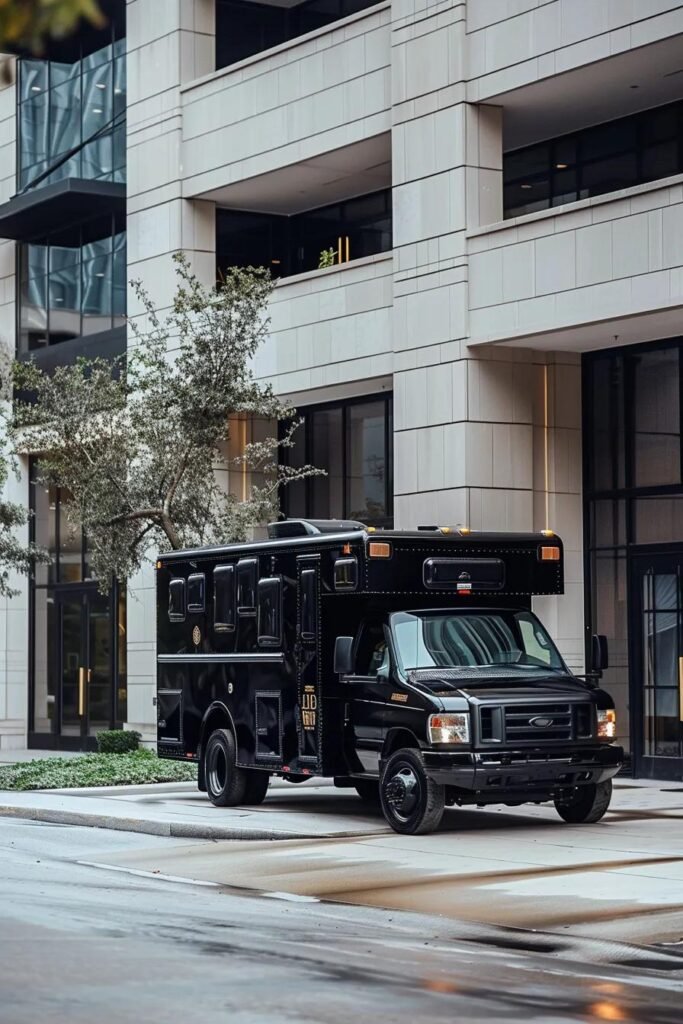
  1. Verify Licensing and Insurance: Confirm DPS licensing and adequate liability insurance coverage.
  2. Review Training Records: Request syllabi for CPR, de-escalation, and site-specific drills.
  3. Request References and Case Examples: Seek out peers in similar industries and inquire about measurable outcomes.
  4. Evaluate Technology Integration: Ensure patrol reporting, CCTV feeds, and access control can integrate seamlessly with your existing systems.
  5. Negotiate SLAs and Trial Periods: Clearly define performance metrics, reporting cadence, and trial terms.

This checklist helps procurement teams minimize selection risk and establish clear expectations for vendors.

What Should You Look for When Choosing a Security Guard Company in Houston?

When selecting a provider, verify Texas DPS licensing compliance, insurance certificates, background-check policies, and documented training curricula to confirm legal and operational readiness. Request sample incident reports, supervisory audit schedules, and references from similar local clients to evaluate performance consistency and communication practices. Ensure the vendor can deliver required technology integrations—such as mobile reporting, GPS patrol logs, and surveillance interfaces—and confirm SLA metrics for response times and reporting frequency. Finally, be aware of potential red flags like unclear pricing, vague training descriptions, or a lack of local coordination with Houston law enforcement.

These vendor checks naturally lead into questions about Mayer Security’s specific client processes, which adhere to industry best practices.

How Does Mayer Security Ensure Client Satisfaction and Trust?

Mayer Security Services prioritizes comprehensive onboarding briefs, site-specific training, and regular quality assurance through supervisor visits and documented incident reporting to build client trust and verify performance. The company’s veteran leadership brings structured after-action processes and consistent operational supervision, ensuring predictable service levels across assignments in Greater Houston and its Sugar Land branch.

Client communication cadences include scheduled status reports and clearly defined escalation paths designed to resolve issues promptly and adapt coverage as site conditions evolve.

These practices create robust audit trails and measurable KPIs that help clients validate the effectiveness of their security programs.

What Is the Process to Request a Security Consultation or Quote in Houston?

To request a consultation, prepare detailed site information—including hours of operation, asset lists, site maps, and any known risk events—and contact the provider to schedule a risk assessment. This assessment will inform a written proposal and staffing plan. Mayer Security Services accepts consultation requests via phone and email and conducts on-site assessments to tailor recommendations for armed, unarmed, or patrol-based programs across Greater Houston and Sugar Land.

Typical timelines involve moving from assessment to proposal within a few business days, with trial periods or phased starts available to validate performance.

Be prepared to review scope, minimum hours, and SLA metrics during negotiations to finalize a fit-for-purpose contract.

This structured procurement process supports transparent pricing and measurable outcomes for clients.

What Are the Licensing and Regulatory Requirements for Security Guards in Texas?

Texas security guards operate under the oversight of the Texas Department of Public Safety (DPS), which mandates licensing pathways that include background checks, fingerprinting, and the completion of required coursework for both armed and unarmed roles. Employers bear the responsibility for hiring compliance, verifying credentials, and ensuring in-service training meets both DPS and client expectations; they also manage insurance, bonding, and documentation for audits. Specialized roles, such as those in healthcare or executive protection, often necessitate additional training modules beyond baseline DPS standards to address unique operational risks. Staying current with DPS updates and maintaining documented training schedules ensures legal compliance and minimizes operational risk.

What Are the Texas Department of Public Safety Licensing Standards?

Texas DPS licensing standards generally encompass criminal background vetting, fingerprinting, completion of required coursework, and the submission of licensing applications for individual guards and company-level registrations. Armed roles additionally require firearm qualifications and ongoing continuing education obligations. Licensing timelines vary based on processing times and the applicant’s compliance with documentation requirements; employers commonly assist in managing these submissions to expedite operational readiness. Regular refresher training and documented in-service hours support continued compliance and readiness for site assignments. Providers should maintain meticulous records and encourage clients to request verification as part of their vendor due diligence.

How Does Mayer Security Comply with Local Houston Law Enforcement and Regulations?

Mayer Security Services meticulously coordinates incident reporting workflows and escalation protocols to align with Houston Police Department and Harris County Sheriff’s Office procedures, ensuring timely notification and collaborative response when incidents require official intervention. The company documents incident reports and adheres to defined escalation chains that facilitate information sharing with local agencies while upholding client confidentiality and legal compliance. Regular liaison and community engagement efforts help anticipate neighborhood trends and adjust patrols or protocols as needed. These coordination practices enhance response outcomes and support community-oriented security initiatives.

What Specialized Training Is Required for Healthcare and Executive Protection Guards?

Healthcare security roles demand specialized training in de-escalation techniques, patient privacy awareness, and coordination with clinical staff and emergency medical procedures. Executive protection, conversely, requires advanced planning, close-protection tactics, and thorough route and venue reconnaissance skills. Both tracks include scenario-based drills and refresher courses to maintain proficiency, with documentation of completion and practical assessments forming integral parts of program quality assurance. Ongoing evaluation ensures that guards assigned to specialized roles maintain their certifications and situational readiness for complex environments. These specialized competencies significantly reduce risk in sensitive settings and improve operational outcomes.

How Does Mayer Security Integrate Technology with Traditional Security Services in Houston?

Technology integration amplifies human guard capabilities by providing enhanced situational awareness, faster reporting, and more effective evidence collection. Common integrations include access control systems, surveillance/VMS (Video Management Systems), and mobile patrol reporting that synchronize seamlessly with guard activity. Mayer Security Services blends patrol units with reporting apps, CCTV monitoring support, and access-control coordination to create a force-multiplied security posture across Houston sites. This integration improves response times, enhances documentation accuracy, and reduces false alarms through analytics-driven prioritization. Selecting the optimal technology mix should consider cost, privacy regulations, and measurable performance improvements tied to key security KPIs.

Below is a concise list of technology augmentations and their direct benefits for operations.

  • Access Control Systems: Restrict entry and generate audit trails that complement guard checks.
  • Surveillance and VMS: Provide crucial evidence capture and remote monitoring support for guards.
  • Mobile Patrol Apps: Enable timestamped checks, GPS logs, and rapid incident escalation.
  • AI Analytics & Drones: Emerging tools that can reduce manual monitoring efforts and extend coverage reach.

What Role Do Access Control and Surveillance Systems Play in Houston Security?

Access control and surveillance systems function as powerful force multipliers, reducing casual breaches, improving accountability, and providing essential evidentiary records for investigations, thereby complementing on-site guards with remote monitoring capabilities. Guards interact with these systems through clear standard operating procedures: verifying access exceptions, reviewing camera footage for incidents, and initiating investigations based on system alerts. System architectures range from cloud-hosted VMS to local access databases, and best practice dictates designing workflows that make guard responses efficient and well-documented. Combined, these systems and personnel reduce incident resolution times and improve the overall quality of incident reports.

How Are Patrol Services Enhanced by Modern Security Technology?

Modern patrol services leverage GPS tracking, geo-fenced checkpoints, and digital reporting tools to provide timestamped evidence of patrol activity and create verifiable audit trails that enhance accountability. Incident-management platforms allow guards to attach photos, video clips, and structured reports, which speeds up escalation and supports insurance or legal requirements. These capabilities also enable supervisors to audit patrol compliance and adjust routes or cadences based on incident clustering. The net effect is higher-quality documentation, quicker escalation, and data-driven refinement of patrol strategies.
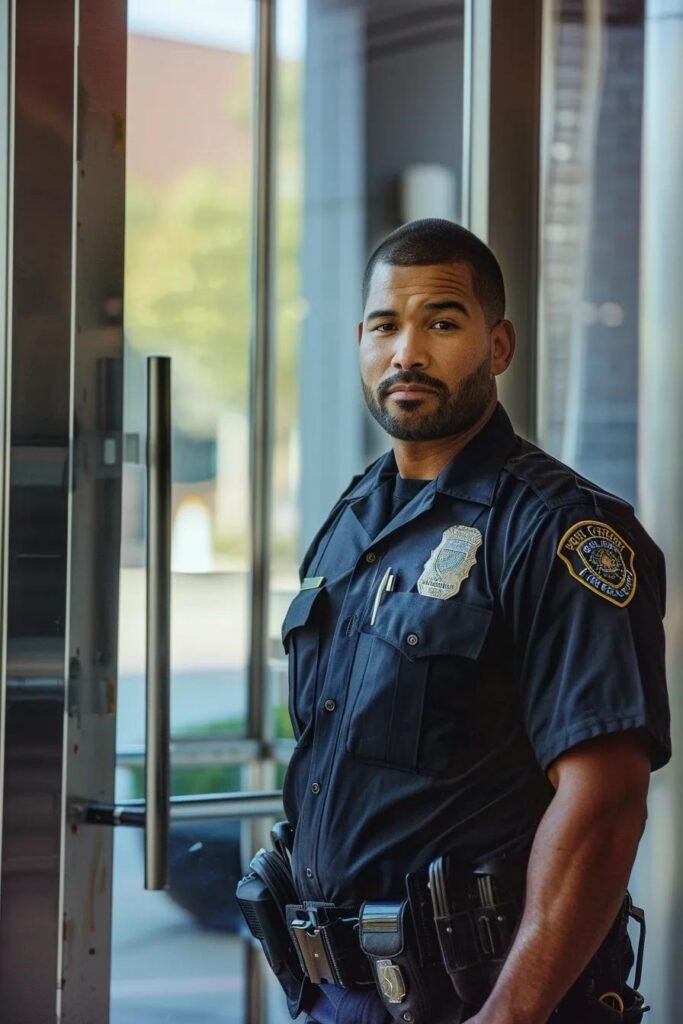
In 2025, AI-driven video analytics, cloud-based VMS, integrated access-control ecosystems, and selective drone patrols are significantly shaping security strategies by improving detection accuracy and extending monitoring reach with reduced staffing impacts. Adoption considerations include costs, data privacy concerns, and ensuring adequate human oversight to avoid overreliance on automation; analytics can reduce false alarms but require finely tuned models and robust governance. Cloud integrations simplify centralized management across multiple Houston sites, while drones offer valuable perimeter surveillance for large properties when legally permissible. Organizations should pilot new technologies, meticulously measure KPIs, and scale based on validated performance improvements.

TechnologyFunctionOperational Benefit
AI Video AnalyticsAutomates event detectionFewer false alarms, faster alerts
Cloud VMSCentralized video managementScalable monitoring across sites
Mobile Patrol AppsDigital check-ins and reportingImproved accountability, faster escalation
Drone SurveillanceExtended aerial coverageRapid perimeter assessments for large sites

This table summarizes practical technology options and their primary operational benefits for Houston security programs.

This article has comprehensively outlined service types, veteran-owned advantages, industry-specific solutions, pricing drivers with EAV comparisons, licensing essentials, vendor selection checklists, and practical technology integration guidance to empower Houston businesses in making informed security decisions. For organizations ready to request a consultation or a customized quote, Mayer Security Services is prepared to conduct a thorough risk assessment and provide a tailored proposal. Contact options include our authorized company phone number and official email address for arranging evaluations and discussing next steps.

Frequently Asked Questions

What should I consider when evaluating the effectiveness of a security guard service?

When evaluating the effectiveness of a security guard service, focus on key performance indicators (KPIs) such as incident response time, incident frequency, and overall client satisfaction. Additionally, assess the training and qualifications of the guards, the company’s adherence to licensing requirements, and their ability to integrate technology with traditional security measures. Regular audits and feedback mechanisms can also provide valuable insights into the service’s reliability and effectiveness in meeting your specific security needs.

How can I ensure that my security guard company is compliant with local regulations?

To ensure compliance with local regulations, verify that the security guard company holds the necessary licenses from the Texas Department of Public Safety. Request documentation of their training programs, background checks, and insurance coverage. Regularly review their compliance with local laws and regulations, and maintain open communication with the company to address any changes in legal requirements. Additionally, consider conducting periodic audits to confirm adherence to established protocols and standards.
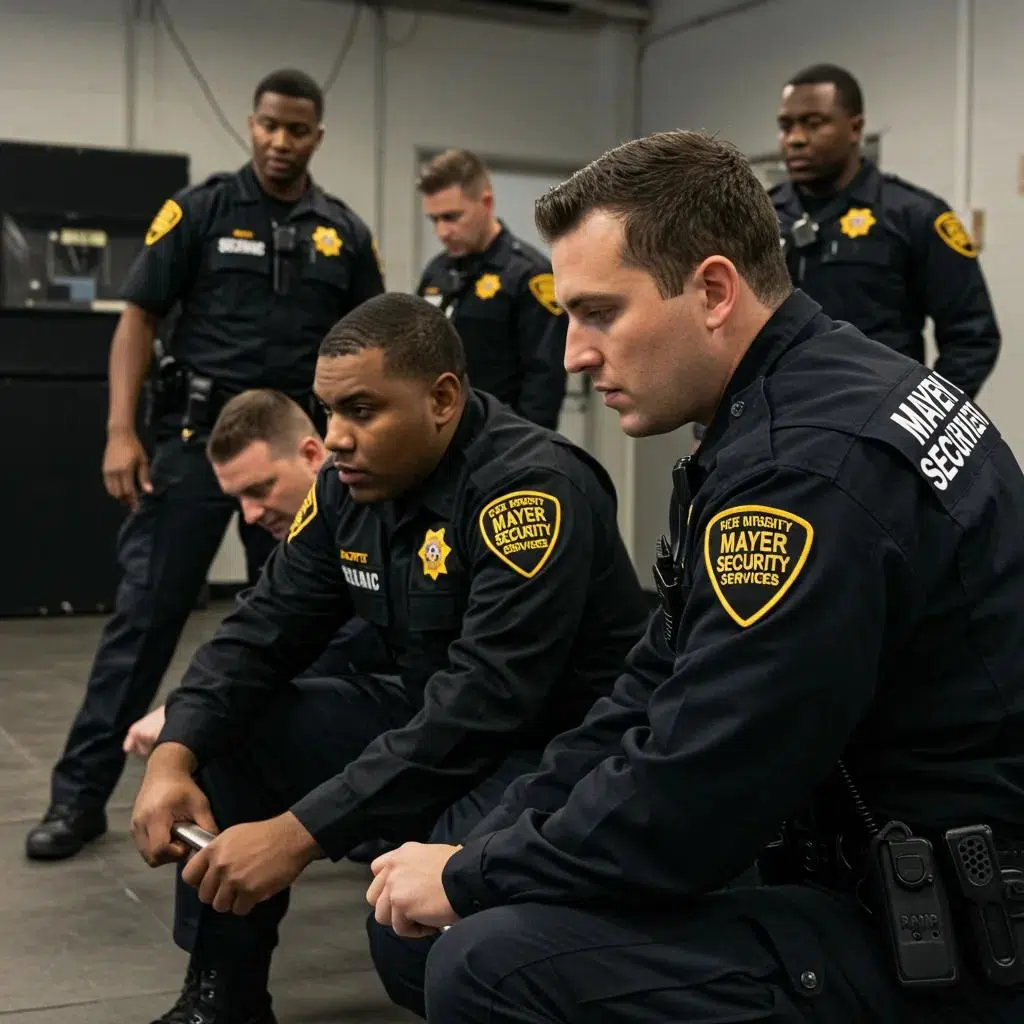
What are the benefits of integrating technology with security guard services?

Integrating technology with security guard services significantly enhances operational efficiency and effectiveness. Technologies such as access control systems, surveillance cameras, and mobile reporting apps provide real-time data and improve situational awareness. This integration allows for quicker incident response, better documentation, and more effective communication between guards and management. Furthermore, technology can help reduce false alarms and streamline reporting processes, ultimately leading to a more secure environment and improved client satisfaction.

How can businesses assess their specific security needs before hiring a guard service?

Businesses can effectively assess their specific security needs by conducting a thorough risk assessment that identifies potential vulnerabilities, high-risk areas, and specific threats relevant to their operations. This assessment should consider factors such as location, industry, and past incidents. Engaging with a security consultant can provide valuable insights and help tailor security solutions that align with the business’s unique requirements. Additionally, involving key stakeholders in the assessment process ensures that all perspectives are considered in the security planning.
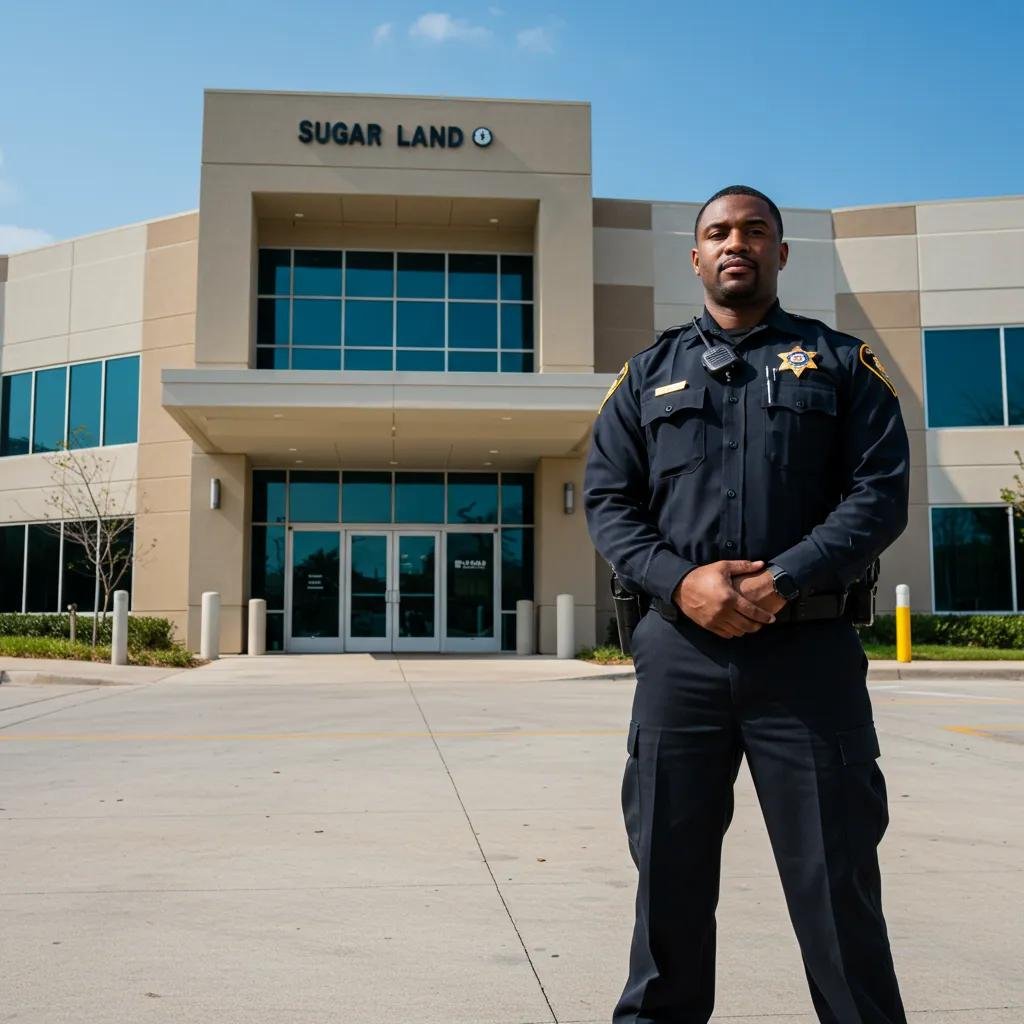
What role does ongoing training play in the effectiveness of security personnel?

Ongoing training is absolutely crucial for maintaining the effectiveness of security personnel. Regular training sessions ensure that guards stay updated on the latest security protocols, emergency response techniques, and legal requirements. This continuous education helps improve their situational awareness, decision-making skills, and ability to handle various incidents. Moreover, ongoing training fosters a culture of professionalism and accountability, which can enhance the overall performance and reliability of the security team.
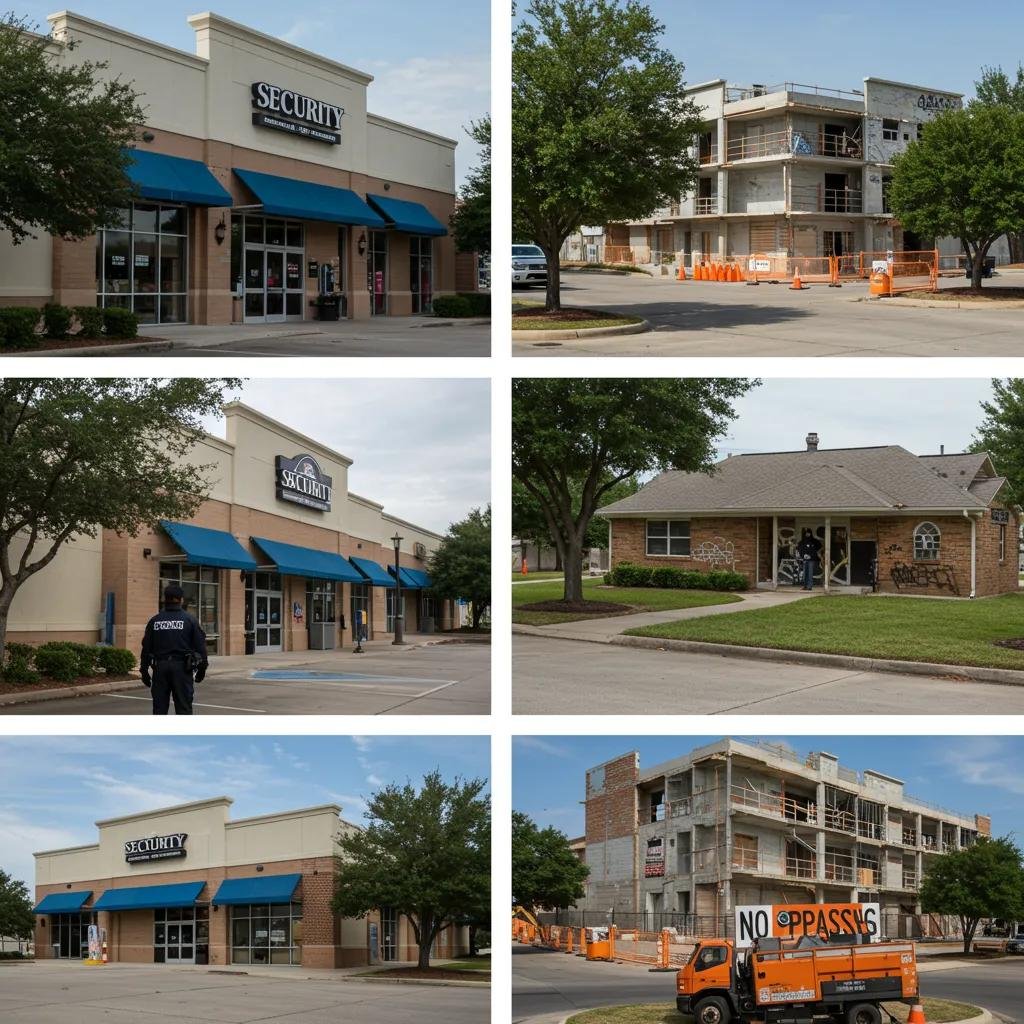
How can businesses measure the return on investment (ROI) for security services?

Businesses can effectively measure the ROI for security services by analyzing the reduction in incidents, theft, and property damage over time. Comparing the costs of security services against the financial losses avoided due to effective security measures provides a clear picture of value. Additionally, tracking metrics such as response times, incident resolution rates, and client satisfaction can help quantify the benefits of security investments. Regular reviews and adjustments to security strategies based on these metrics can further enhance ROI.

What are the common misconceptions about hiring armed security guards?

Common misconceptions about hiring armed security guards include the belief that they are only necessary for high-risk environments or that their presence alone guarantees safety. In reality, armed guards can provide valuable deterrence and rapid response capabilities in various settings, including commercial and retail spaces. Furthermore, the effectiveness of armed security relies heavily on proper training, clear protocols, and integration with unarmed personnel and technology. Understanding the specific needs of a business can help clarify the appropriate role of armed security in a comprehensive security strategy.

Conclusion

Choosing the right security guard company in Houston ensures tailored protection that aligns precisely with your specific business needs, thereby enhancing safety and operational continuity. By thoroughly understanding the various service types, industry-specific solutions, and the distinct advantages of veteran-led firms, you can make informed decisions that effectively mitigate risks. Take the next crucial step towards securing your business by reaching out for a personalized consultation today. Discover how Mayer Security Services can provide the expertise and dedicated support you need for a safer, more secure environment.

Executive Protection Houston: Daniel Caesar Concert Case Study

How a Veteran-Owned Houston Firm Protected a Grammy-Winning Artist During a Spontaneous Event

Overview

When Daniel Caesar announced a surprise pop-up concert in Houston, thousands of fans showed up within hours. The location—Bear Creek Pioneers Park—was open terrain with no stage barriers, no permits, and minimal coordination with local law enforcement.
Mayer Security was called to respond quickly. Our team executed a precision-based protective plan to ensure crowd safety and artist security without disrupting the event’s spirit. This case study details that operation and offers insights into what true Executive Protection in Houston looks like under pressure.

Local Trust and Community Credibility

As a proud member of the Houston Chamber of Commerce, Mayer Security continues to earn recognition for professionalism and community contribution. This credibility reinforces our ability to work seamlessly with city agencies, event planners, and law enforcement during high-profile engagements.

Mayer Security executive protection team on duty at Daniel Caesar popup concert in Houston
Mayer Security agents preparing for crowd management before the show announcement spread on social media.
Mayer Security protection vehicles and personnel at Bear Creek Park Houston
Strategic vehicle placement and perimeter scanning were used to maintain a controlled approach area. Photo by https://www.co-createstrategies.com/

1. Situation

Daniel Caesar’s pop-up concert drew approximately 1,500 attendees after a last-minute announcement on social media. Bear Creek Pioneers Park offered no built-in security infrastructure. With multiple vehicle entry points and open walking trails, crowd management quickly became the biggest challenge. The absence of a city permit meant that Harris County Constables would eventually be involved. Mayer Security had to balance safety, discretion, and collaboration with law enforcement while avoiding unnecessary interference with the artist’s connection to fans.

2. Mission

Protect Daniel Caesar, his entourage, and attendees from crowd surges or unauthorized access while maintaining a positive experience for fans. Establish a temporary perimeter, control vehicular access, and manage an organized exit strategy should enforcement arrive. The mission required rapid adaptation and quiet leadership under dynamic conditions.

3. Execution

Mayer Security formed a three-layered protection plan: an inner close-protection ring around the artist, a mobile mid-perimeter of agents monitoring crowd behavior, and an outer observation layer managing incoming vehicles. When the concert began, agents subtly established a visual cordon using portable gear already present on-site. Real-time communication through encrypted radios and visual signals ensured cohesive movement.

4. Administration and Logistics

Prior to crowd arrival, logistics included verifying gear readiness, emergency med kits, and multiple egress options. Mayer Security coordinated directly with Daniel Caesar’s tour management to ensure that his security team had clear communication channels and emergency plans. When Harris County Constables Precinct 5 requested the concert stop due to permit issues, Mayer Security agents facilitated an orderly dispersal. No injuries, altercations, or property damage occurred.

5. Command and Signal

Communication relied on radios, hand signals, and visual checkpoints. Each agent had overlapping responsibilities to maintain 360-degree awareness. Coordination with law enforcement was conducted respectfully and efficiently, prioritizing safety and cooperation over confrontation. After the shutdown, Mayer Security remained on-site until all vehicles cleared the area and crowd density dropped below safe thresholds.

Mayer Security agent maintaining visual line during the Daniel Caesar concert
Post-shutdown observation ensured that fans dispersed safely and peacefully under the team’s supervision.

Lessons Learned and Adaptability

The success of this operation reinforces the importance of flexibility in executive protection. Planned events rely on detailed schedules and pre-coordination, but spontaneous concerts demand instinct, local knowledge, and communication discipline. Mayer Security’s veteran background proved critical — every agent was trained to assess threats under pressure and make immediate, independent decisions while staying within mission intent.

Houston Event Security Challenges

Houston’s layout poses unique security challenges — sprawling roads, open venues, and unpredictable weather. Rapid crowd buildup without defined entry points requires layered security that doesn’t look like security. Our approach focused on body language management, vehicle placement, and natural barriers rather than overt enforcement.

Crowd and perimeter management during the Daniel Caesar Houston popup
Layered protection zones kept Daniel Caesar safe while preserving the event’s natural energy. Photo by https://www.co-createstrategies.com/

Protection Matrix: Popup Concert Operations

Layer Focus Method
Inner Artist and team Close protection and mobile escort
Middle Crowd interaction control Visible presence, subtle redirection
Outer Traffic and external awareness Vehicle coordination, patrol movement

Cost Considerations for Executive Protection in Houston

Executive protection pricing depends on risk assessment, team composition, duration, and specialized resources. Mayer Security offers transparent, itemized proposals so clients know exactly where each dollar goes. For example, requesting a quote for a concert activation includes a full risk analysis, officer plan, and vehicle requirements, ensuring complete transparency from the start.

Factor Description Impact
Threat Level Public exposure and risk type Higher threat = more agents + resources
Duration Number of hours on site Longer coverage = more shifts
Vehicle Needs Armored, unmarked, or standard transport Influences logistics and staging costs
Law Enforcement Liaison Coordination with constables or HPD Ensures compliance and safety during enforcement

Frequently Asked Questions

How does executive protection differ from standard security?

Standard security covers access control and deterrence. Executive protection integrates risk analysis, logistics, and emergency medical readiness — it’s proactive rather than reactive. For more on this, see Mayer Security Services.

Why was the Daniel Caesar concert shut down?

The Harris County Constable’s Office halted the concert due to missing permits required for gatherings exceeding 100 people. Local regulations are designed to protect both artists and fans by ensuring medical access, safety routes, and law enforcement presence. Houston Chronicle coverage confirms the peaceful outcome.

Did anyone get hurt or detained?

No. Mayer Security’s cooperation with the Constables prevented escalation, and the crowd dispersed peacefully. There were no injuries or arrests reported — a testament to calm communication and structured dispersal.

How can artists avoid similar shutdowns?

Coordinate with city offices early, use experienced event security partners, and prepare basic permits in advance. Spontaneous performances are appealing but require contingency protocols to prevent enforcement disruption.

How does being veteran-owned improve performance?

Veterans bring composure, teamwork, and adaptability under stress. Mayer Security’s leadership ensures that every agent operates with discipline and judgment — traits essential for unpredictable environments like popup concerts.

Contact Mayer Security

Mayer Security is headquartered in Houston and serves clients across Texas in industrial, healthcare, estate, and entertainment sectors. For executive protection services or event coverage, contact us or visit mayersecurity.com.

© 2025 Mayer Security Services. This case study is for educational and informational purposes. Certain operational details are simplified for safety and confidentiality.

Construction Site Security Houston: Why Security Guards Outshines Monitoring

Houston’s construction sites are prime targets for theft, vandalism, and unauthorized access, making a visible security presence absolutely crucial. Project managers overseeing large-scale developments need the peace of mind that their valuable equipment and materials are secure 24/7. This guide highlights how on-site security guards provide superior physical deterrence, swift incident response, and significant liability reduction compared to remote monitoring systems. We’ll cover the essential roles of guards, effective theft prevention tactics, a cost-benefit analysis against camera-only solutions, common site risks and how to counter them, plus best practices for patrols, access control, and emergency management. Throughout, Mayer Security Services‘ bespoke manned guarding solutions will demonstrate how customized plans and licensed professionals elevate safety, ensure project continuity, and drive success for Houston construction projects.

Construction Site Security Company Mayer Security Services, Allied Universal Partners

Why Are Security Guards Indispensable for Houston Construction Sites?

Security guards are seasoned professionals trained to maintain a constant, visible presence on construction sites, actively deterring criminal activity and enforcing site protocols. Through regular patrols, credential verification, and safety oversight, guards proactively identify potential vulnerabilities and intervene before incidents can escalate. For instance, a guard noticing suspicious activity during off-hours can prevent equipment theft before it happens, rather than just documenting it afterward. This proactive approach to risk management leads to fewer losses and smoother operations, forming the bedrock of a comprehensive security strategy.

A robust guarding program effectively addresses the unique challenges faced by Houston developments:

  • Environmental Threats – Outdoor sites are magnets for opportunistic thieves targeting high-value tools and materials.
  • Liability Risks – Guards enforce safety regulations, significantly reducing the likelihood of accidents and associated legal expenses.
  • Uncontrolled Access – Verifying credentials prevents unauthorized individuals from entering, thereby mitigating both theft and workplace injuries.

Mayer Security Services combines in-depth local risk assessments with the expertise of licensed officers who understand Houston’s specific crime patterns, establishing a powerful deterrence framework that surpasses remote systems and lays the groundwork for advanced security measures.

How Do Security Guards Act as a Physical Deterrent Against Theft and Vandalism?

Security guards provide a strong physical deterrent by actively patrolling site perimeters, maintaining visible checkpoints, and directly engaging with any unauthorized individuals. The presence of a uniformed officer patrolling the site perimeter sends a clear message to potential intruders that assets are under constant surveillance. Studies consistently show that a visible guard presence alone can reduce theft attempts by over fifty percent.

Beyond mere visibility, guards conduct random inspections of vehicles and tools, challenge suspicious behavior, and utilize deterrent tools like portable lighting to eliminate dark, hidden areas. By confronting threats in real-time, guards effectively prevent both opportunistic and organized theft rings from targeting construction equipment. This immediate, on-site intervention capability creates a deterrent effect that remote cameras and alarms simply cannot match, as technology lacks the capacity for critical thinking, negotiation, or physical site securing.

Effective Security Measures for Construction Sites: Hiring Watchmen The findings showed that the most effective and often utilized security measure on construction sites is the hiring of watchmen, with security cameras, alarm systems, and warning signs being the least frequently employed. Sites would most likely be protected from theft by effective implementation of the most important security measures while also guaranteeing that the value for money invested in site security is als

What Are the Primary Duties of Construction Site Security Guards?

Before detailing their main responsibilities, it’s important to understand how these duties contribute to continuous asset protection and safety enforcement. The following table outlines the core functions of our guards:

DutyFunctionBenefit
Perimeter PatrolsConducting regular foot and vehicle inspections along the site boundaryDetects breaches, deters intruders
Access ControlVerifying identification, logging all personnel and visitor entriesPrevents unauthorized site access
Incident ResponseOn-site intervention for alarms, trespassing, or safety violationsMinimizes damage and operational downtime
Safety EnforcementMonitoring for hazards, ensuring compliance with PPE requirementsReduces accidents and legal liability
Reporting & DocumentationMaintaining detailed shift logs and incident reportsProvides a crucial audit trail for risk management

Each of these duties ensures that potential threats are identified and managed before they can impact project timelines or budgets, creating a multi-layered safeguard that integrates seamlessly with on-site operations.

How Do Guards Enhance Safety and Minimize Liability on Construction Sites?

Construction security guards play a vital role in enforcing safety protocols, which not only prevents accidents but also significantly limits legal exposure. By monitoring the stability of scaffolding, ensuring proper placement of barriers around hazards, and enforcing mandatory hard-hat policies, guards reduce the incidence of slip-and-fall accidents and improper equipment use. These proactive safety interventions directly lead to fewer worker injuries and a reduction in insurance claims.

Furthermore, guards act as first responders, capable of administering basic first aid and coordinating emergency medical services when necessary. Their presence signals a strong commitment to workplace safety standards and assists management in meeting all compliance requirements. This combination of hazard oversight and immediate response capability translates into measurable liability reduction and fosters a safer, more predictable project environment.
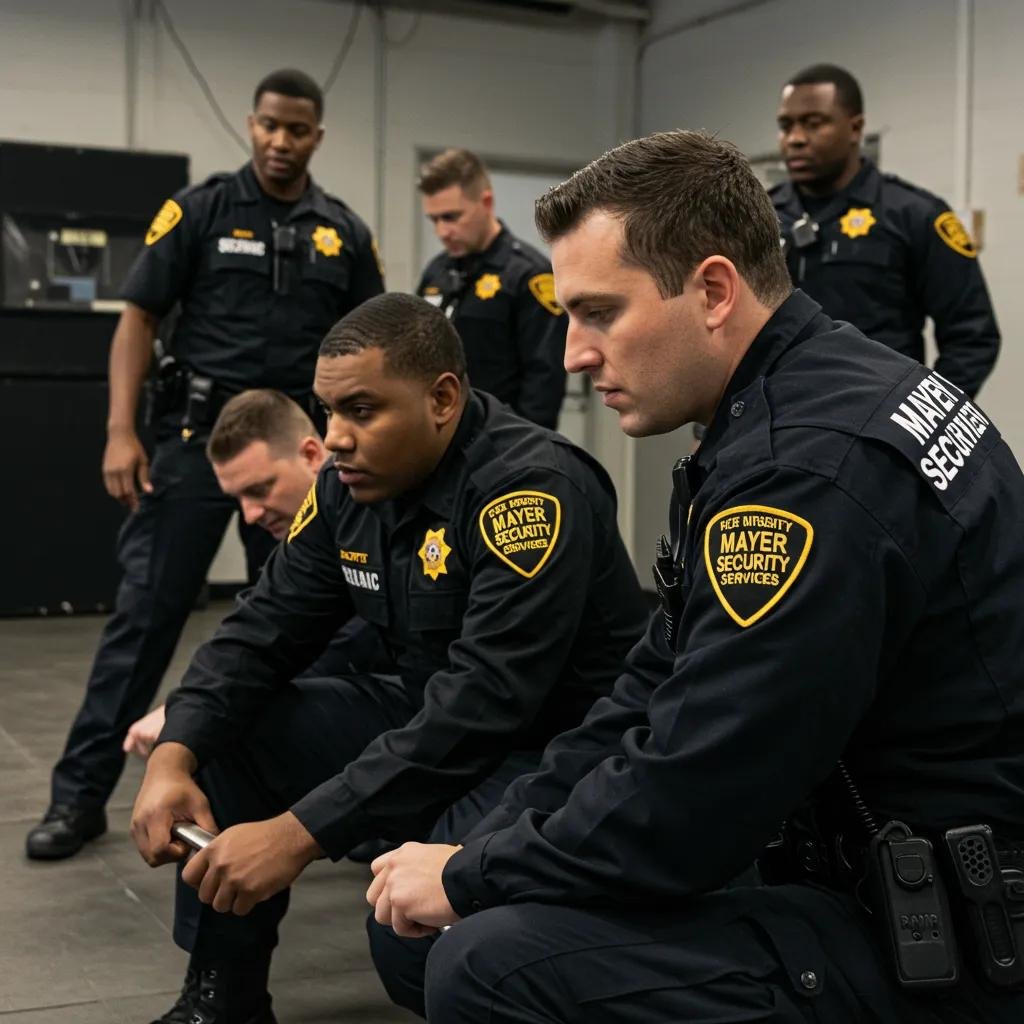
How Does Mayer Security Services Tailor Security Plans for Houston Construction Projects?

Mayer Security Services initiates every engagement with a comprehensive site survey to pinpoint unique vulnerabilities—from poorly lit storage areas to high-traffic entry points. Our licensed security consultants then develop customized manned guarding schedules, strategically balancing static posts, mobile patrols, and rapid-response teams based on the project’s scale and specific risk profile. Our deep understanding of Houston’s crime patterns ensures that each plan effectively addresses the most prevalent threats, such as tool theft or overnight trespassing. This tailored approach maximizes deterrence effectiveness and aligns security investments precisely with project priorities.

How Do Security Guards Prevent Theft and Unauthorized Access on Construction Sites?

Security guards prevent theft and unauthorized access through a combination of rigorous credential verification, controlled entry procedures, and vigilant active surveillance. At designated checkpoints, guards meticulously check IDs against approved personnel lists, ensuring that only authorized workers or visitors gain entry to the site. When suspicious vehicles or individuals are observed, guards can immediately intercept and investigate, preventing potential losses before they even occur.

Guards also conduct unpredictable after-hours patrols along access points, utilizing high-intensity flashlights and portable radios to coordinate comprehensive coverage. Their keen situational awareness and ability to dynamically adjust patrol routes based on real-time observations make it exceedingly difficult for criminals to predict guard movements—a significant advantage that remote monitoring systems cannot replicate. Collectively, these measures establish a secure entry ecosystem that effectively safeguards both assets and personnel.

Construction Site Security Guard Verifying Credentials on Construction Site

What Are the Most Prevalent Theft and Vandalism Threats on Houston Construction Sites?

Construction sites across Houston are unfortunately exposed to several significant threats:

  • Copper Wiring Theft – Opportunistic thieves target and strip valuable copper from ongoing infrastructure projects.
  • Power Tool Burglary – Portable drills, saws, and compressors are frequently stolen during non-working hours.
  • Heavy Machinery Vandalism – Graffiti, tire slashing, or fuel theft can severely disrupt operations.
  • Trespassing – Unauthorized individuals may enter sites for looting purposes or unsafe urban exploration.

These threats often arise from accessible perimeters and valuable materials left unattended. Guards effectively mitigate these risks through targeted patrols and diligent barrier checks, significantly reducing losses and minimizing site downtime.

How Do Guards Manage Access Control and Site Entry?

Effective access control hinges on a strategic combination of robust physical barriers, sophisticated credential systems, and vigilant human verification. Guards stationed at entry gates utilize visitor logs, photo ID scanners, and sign-in sheets to meticulously authenticate every entry. They cross-reference contractor rosters, promptly flagging any discrepancies and denying entry when credentials do not align with approved lists.

Within the site itself, guards manage internal checkpoints for high-value areas—ensuring that tool trailers and material storage zones remain strictly off-limits without explicit authorization. Their presence at these critical points deters internal theft and enforces a clear chain of custody for equipment, complementing electronic badge readers and perimeter fencing with essential human judgment.

What Patrol and Surveillance Techniques Do Guards Employ to Protect Assets?

Security officers utilize a dynamic blend of random and scheduled patrols, ensuring unpredictable coverage that effectively keeps potential intruders off balance. Guards strategically vary their routes and patrol times, alternating between detailed foot inspections and vehicle surveillance to thoroughly monitor concealed corners and remote storage areas.

Guards also employ advanced tools such as binoculars and thermal scopes for enhanced night-time observations, paired with two-way radios for instant reporting of any suspicious activity. This proactive, eyes-on-the-ground approach enables rapid response to alarms and significantly reduces the false positives often associated with remote camera systems.

What Are the Advantages of Security Guards Over Remote Monitoring for Construction Site Security?

Security guards offer invaluable human judgment, adaptability, and immediate intervention capabilities that remote monitoring systems simply cannot match. While camera-based systems are adept at recording events for later review, guards possess the critical ability to assess context in real-time—distinguishing between false alarms and genuine threats, and directly engaging with potential offenders. This crucial capability minimizes downtime and prevents losses before they can occur.

Moreover, guards are inherently adaptable to dynamic site conditions, able to adjust patrol routes around newly placed equipment or follow evolving patterns of suspicious behavior. Remote systems lack this essential flexibility, often relying on preset zones and automated alerts that can easily miss emerging vulnerabilities. The result is a far more resilient and effective security posture, provided by guards, ensuring continuous protection at a predictable cost.

How Does Human Judgment and Real-Time Intervention Surpass Technology?

Human guards possess the unique ability to analyze body language, discern intentions, and understand environmental context—recognizing, for example, when a delivery driver’s erratic behavior might signal a security threat versus a simple traffic issue. Guards can verbally challenge individuals, detain trespassers if necessary, and coordinate directly with law enforcement on the spot. This immediate, nuanced response effectively thwarts incidents that automated cameras would only record for subsequent investigation.

What Are the Limitations of Remote Monitoring Systems on Construction Sites?

Remote monitoring systems frequently suffer from critical limitations, including blind spots, network outages, and significant delays in human review. While cameras capture video streams, without on-site personnel, alerts necessitate off-site operators to interpret footage and dispatch responders—introducing crucial delays in response times. Adverse weather conditions, low light, and sensor malfunctions can further degrade performance, leaving sites vulnerable when technological failures occur.

How Does Manned Guarding Offer Cost-Effective Long-Term Security?

Although the initial hardware costs for remote monitoring may appear lower, the long-term expenses can escalate significantly when factoring in staffing for monitoring centers, ongoing maintenance, software licensing fees, and the costs associated with false alarms. In stark contrast, a dedicated guard team provides a fixed hourly rate, enabling predictable budgeting. Guards prevent losses in real-time, thereby reducing insurance claims, project delays, and costly replacement expenses—delivering a superior return on security investment throughout the project lifecycle.

What Are the Common Security Risks on Construction Sites and How Do Guards Mitigate Them?

Construction sites face a wide array of security risks, including theft, vandalism, and illegal trespassing. Guards effectively mitigate these threats by diligently maintaining perimeter integrity, rigorously enforcing access procedures, and conducting proactive patrols. Their visible presence actively discourages criminal activity and ensures rapid containment of incidents before they have a chance to escalate.

Furthermore, guards remain vigilant for safety hazards—such as open pits, unsecured scaffolding, and fire risks—and ensure strict compliance with all site rules. These comprehensive measures reduce accident rates and legal liabilities while safeguarding valuable assets throughout every phase of the project.

How Do Guards Prevent Theft, Vandalism, and Trespassing?

Guards prevent theft by meticulously securing tool storage areas through lock checks and inventory audits. They deter vandalism via visible surveillance of walls and equipment yards, actively discouraging graffiti or property damage. Trespassing is minimized through routine gate inspections, dedicated nighttime patrols, and coordinated barrier checks along site boundaries.

How Do Guards Help Prevent Accidents and Enforce Safety Protocols?

Security officers rigorously enforce hard-hat zones, restrict unauthorized vehicle movements, and monitor for environmental hazards like chemical spills. By verifying safety briefings for new arrivals and halting unsafe work practices, guards significantly enhance the overall site safety culture and prevent workplace injuries.

A professionally trained security presence ensures that unauthorized individuals cannot access hazardous areas and that safety violations are addressed immediately. Comprehensive incident documentation and detailed shift logs provide crucial legal evidence to defend against liability claims, thereby reducing insurance premiums and protecting the company’s reputation.

What Are the Benefits of Hiring On-Site Security Guards for Houston Construction Projects?

On-site security guards significantly improve project continuity by deterring delays caused by theft or vandalism, allowing teams to stay firmly on schedule. Their constant 24/7 presence ensures that critical equipment remains functional and accessible, minimizing downtime and maintaining optimal productivity.

Moreover, a visible guard force enhances stakeholder confidence—from workers feeling more secure on site to insurers potentially offering lower premiums. These cumulative benefits demonstrate the substantial value of manned guarding in complex Houston construction environments.

How Do Guards Improve Project Continuity and Timeliness?

By preventing supply chain interruptions caused by stolen materials and unauthorized site shutdowns, guards keep project timelines firmly on track. Immediate intervention for security breaches leads to faster resolution and significantly less operational disruption.

How Can Security Guards Lower Insurance Premiums and Enhance Worker Morale?

Insurance carriers often reward projects that utilize documented on-site security services by offering reduced premium rates. The visible presence of guards reassures workers, fostering a secure environment that boosts morale, improves retention, and enhances overall productivity.

Mayer Security Guard, Houston Construction Site Security Inspecting a report by Allied Universal Security

What Makes Licensed and Trained Guards from Mayer Security Services Reliable?

Mayer Security Services employs officers who are fully licensed under Texas DPS regulations and rigorously trained in both security protocols and first aid. Continuous professional development ensures our guards remain current on the latest best practices for construction safety, crowd control, and incident management—providing consistently reliable protection.

How Do Temporary and Long-Term Construction Security Guard Services Adapt to Project Needs?

Construction timelines are inherently variable, and security staffing must be flexible enough to accommodate those fluctuations. Temporary guards offer short-term coverage for specific project phases—such as foundation work or critical material deliveries—providing essential flexibility without long-term commitments. Long-term contracts ensure unwavering continuity for multi-year projects, with stable, experienced teams that develop an intimate understanding of site nuances and risk patterns over time.

Mayer Security Services expertly adapts resources by scaling guard numbers and transitioning between static posts and mobile patrol units as project stages evolve. This dynamic approach guarantees optimal protection whether projects are expected to run for weeks or years.

When Is Temporary Security Guarding Ideal for Construction Sites?

Temporary guarding is most effective during high-risk windows such as concrete pours, major equipment arrivals, or project closure phases. Short-term teams efficiently fill critical security gaps without the administrative overhead of permanent contracts, delivering immediate deterrence precisely when it is most needed.

How Do Long-Term Security Contracts Support Large or Ongoing Projects?

Long-term agreements provide invaluable, consistent site familiarization, enabling guards to readily detect subtle changes in threat patterns. Contracted teams seamlessly integrate into project management workflows, offering strategic risk assessments and continuous improvement of security plans.

How Does Mayer Security Services Scale Security Solutions for Different Project Phases?

Mayer Security Services precisely adjusts guard deployment according to project phase—assigning more mobile patrols during active construction periods and increasing static posts during off-hours. Regular plan reviews ensure that guard presence remains perfectly aligned with evolving site layouts and emerging risks, guaranteeing seamless protection across all project stages.

What Are Best Practices for Construction Site Security Guards in Houston?

Effective construction security hinges on disciplined patrols, rigorous access control, and meticulous incident documentation. Guards must adhere to structured patrol routes, maintain detailed logs of all observations, and report any anomalies promptly. Standardized procedures, combined with advanced training, ensure that officers respond consistently and effectively to threats and emergencies.

By seamlessly integrating safety protocols into their daily security routines, guards significantly enhance overall site resilience and provide crucial support to project managers in achieving their operational goals.

How Should Guards Conduct Effective Patrols and Surveillance?

Guards should strategically alternate between static checkpoints and mobile routes, employing randomized schedules to prevent potential intruders from recognizing patterns. Each patrol includes a thorough inspection of gates, fences, and high-value asset areas, utilizing flashlights or thermal imaging during nighttime hours. Detailed observation logs meticulously document time, location, and any irregularities noted.

What Are Key Access Control Procedures to Prevent Unauthorized Entry?

Essential access control procedures include verifying government-issued IDs, cross-referencing pre-approved personnel lists, and issuing temporary badges for visitors. Guards meticulously record entry and exit times, inspect vehicles for concealed tools, and ensure entry gates are securely closed after each use.

How Do Guards Respond to Emergencies and Safety Incidents?

In emergency situations, guards perform initial scene assessment, administer necessary first aid, and coordinate effectively with emergency services. They establish secure perimeters to protect responding personnel, meticulously document all incident details, and support project managers in post-event reviews to prevent future occurrences.

Why Is Detailed Reporting and Documentation Crucial for Construction Security?

Comprehensive shift reports and incident logs create an indispensable audit trail that supports insurance claims, provides robust legal defenses, and facilitates continuous improvement of security measures. Accurate documentation reveals patterns in security breaches, enabling managers to refine patrol routes, access procedures, and safety protocols for ongoing risk reduction.

Securing construction sites demands a comprehensive, multi-faceted approach that prioritizes on-site supervision, proactive risk mitigation, and seamless coordination with project teams. By deploying licensed, highly trained security guards through Mayer Security Services, Houston developers gain the essential physical presence and critical human judgment required to safeguard valuable assets, enforce safety rules, and significantly reduce liability in a dynamic and challenging construction environment.

Houston Healthcare Security: Strategies to Cut Insurance Costs

Healthcare Security Company, Mayer Security Services, Armed Security Houston Competing with Allied Universal Security

Let’s face it, insurance costs for Houston healthcare facilities have shot up, jumping almost 20 percent in just the last year. This big increase has administrators scrambling to find smart ways to manage risks. This guide will show you how professional healthcare security guards in Houston can actually help you cut down on those insurance bills. They do this by tackling major risks, making your patients and staff safer, and generally improving your facility’s risk standing. We’ll dive into the top security threats that push up insurance costs, explain how both armed and unarmed guards prevent incidents, detail the clear paths to insurance savings, highlight Mayer Security Services’ special solutions, share proven ways to prevent violence, clarify Texas-specific rules, and answer your most pressing questions about how security can save you money. By the end, you’ll have a clear picture of how security guard services can protect everyone in your facility while also giving your budget some much-needed relief.

What Are the Main Security Risks in Healthcare Facilities That Impact Insurance Costs?

Healthcare facilities deal with all sorts of security risks that directly affect insurance premiums. Why? Because these risks increase how often and how seriously claims happen. The biggest threats include violence against staff, the theft of medications or expensive equipment, and liability issues from patient interactions. Each of these makes it more likely that insurers will have to pay out, which then leads them to raise your deductibles or rates. For example, unchecked violence often results in medical liability claims, while stolen items hit your property and equipment coverage. Understanding these risk areas is the first step to putting in place specific security measures that will save you money on insurance in the long run.

How Does Workplace Violence Affect Healthcare Insurance Premiums?

Workplace violence really drives up insurance costs because it leads to more frequent and serious claims against your facility’s liability and workers’ compensation policies. When staff or patients are assaulted, insurers see higher incident rates, which means higher surcharges and risk factors for you.

Here’s what really matters:

  • Physical assaults on nurses and technicians mean bigger medical claims.
  • Threats and harassment incidents increase legal and settlement expenses.
  • Repeated violence makes insurers put your facility into higher-risk categories.

By cutting down on violent encounters, security guards help insurers see that you have better risk controls in place. This can potentially qualify your facility for premium discounts and lower overall costs.

What Liability and Theft Risks Drive Up Healthcare Facility Insurance Costs?

Liability issues and theft incidents push up both liability and property insurance premiums. They signal to insurers that there are weaknesses in your efforts to prevent losses.

Risk CategoryTypical OutcomeInsurance Impact
Medication TheftControlled substances are diverted or stolen.Higher crime coverage limits and deductibles.
Equipment MisplacementMedical devices are lost or damaged.Property premium surcharges and increased rates.
Patient-Related LiabilitySlips, falls, or miscommunications result in injury.Liability premium escalations.

These kinds of losses highlight gaps in your monitoring and accountability. Insurers will adjust rates upward until they see proof that risk controls—like having uniformed guards—are actually working.

How Do Security Incidents Impact Insurance Claims and Costs?

Every single security incident that’s documented adds to your facility’s history with insurers and its claims experience. This directly influences the factors insurers use to calculate your rates. Just one serious event can lead to immediate premium adjustments, while a string of smaller losses can collectively raise your overall loss ratios.

By quickly logging and reporting incidents—and even better, by preventing them in the first place—security guards can turn a negative claims history into a positive risk story. Insurers often reward this with more favorable rates and lower additional charges.

How Do Security Guards Enhance Safety and Reduce Risks in Healthcare Settings?

Security guards are like active shields and quick responders, making medical environments feel and actually be safer. By patrolling key areas, watching entry points, and stepping in before problems get out of hand, guards reduce how often bad things happen that trigger insurance claims. Their visible presence alone makes potential troublemakers and thieves think twice. This encourages everyone to follow safety rules and limits your liability risks.

Both armed and unarmed security officers bring unique benefits specifically designed for healthcare settings.

Guard TypeDistinctive AttributeRisk Reduction Impact
Armed SecurityAuthorized firearm protocols under strict guidelines.Deters armed intrusion and addresses high-threat scenarios.
Unarmed SecurityFocus on de-escalation and regular patrols.Reduces non-violent conflicts and prevents property loss.

This comparison shows how choosing the right type of guard fits your organization’s clinical environment and your goals for insurance costs. Smartly placing guards in different areas of your facility directly leads to specialized training and using the latest technology.

What Are the Advantages of Armed vs. Unarmed Security Guards in Hospitals?

Armed guards offer a strong deterrent against serious threats, providing quick armed response capabilities for critical incidents. Their presence reassures insurers that the most severe situations are covered, which can lead to lower rates for violent-loss endorsements. On the other hand, unarmed officers are experts in continuous foot patrols, checking visitors, and resolving conflicts—all crucial for preventing smaller incidents that, when added up, drive up minor liability and property claims. Choosing a mix of armed and unarmed personnel helps match your security presence with both patient safety needs and your insurance cost-control goals.

How Does Specialized Healthcare Security Improve Patient and Staff Safety?

Specialized healthcare security brings deep expertise in the unique challenges of medical facilities, including the fast-paced nature of emergency departments and the vulnerability of patients. Guards trained in hospital-specific procedures understand sensitive areas like drug storage, neonatal units, and behavioral health wings. Their targeted actions—such as verifying credentials, escorting high-risk patients, and supporting code-response teams—minimize both disruptions to care and triggers for liability. This specialized approach shows insurers your commitment to best practices, often unlocking premium credits tied to industry standards from groups like the International Association of Healthcare Security and Safety.

Combining specialized training with adherence to industry standards significantly strengthens a facility’s safety protocols.

Healthcare Security Company Mayer Security Services Armed Security Guards in a meeting in a hospital

Healthcare Security‘s Role in Enhancing Hospital Safety The Role of Health Care Security in Enhancing Hospital Safety: Challenges, Best Practices, and Technological Innovations The Role of Health Care Security in Enhancing Hospital Safety: Challenges, Best Practices, and Technological Innovations, 2024

What Training Do Healthcare Security Guards Receive for De-escalation and Emergency Response?

At Mayer Security Services, our healthcare security officers go through tough training that meets IAHSS standards. This includes de-escalation techniques, code-response procedures, and emergency medical support. They learn how to communicate with patients, resolve conflicts, and quickly assess trauma to stop crises before they turn into incidents that trigger claims. Constant drills for active-shooter situations and mass-casualty scenarios ensure guards are ready for any healthcare threat, boosting both safety and insurers’ confidence in your risk controls.

In What Ways Do Security Guards Help Lower Healthcare Insurance Costs?

Security guards cut insurance costs in several measurable ways that align with how insurers evaluate risk. Their presence prevents incidents that lead to claims, reduces how often and how seriously losses occur, and provides structured incident-reporting data that shows improved risk management. Insurers often reward documented loss prevention programs with credits, lower additional charges, and reduced annual rate increases.

Key ways they help include:

  • A verified reduction in the number of claims when policies are renewed.
  • Demonstrated adherence to loss-control recommendations from insurers.
  • Improved track records that qualify for risk-sharing or captive insurance benefits.

This approach leads to direct savings, as you’ll see in the real-world examples below.

How Does Security Presence Lead to Reduced Insurance Claims and Premiums?

Having a consistent guard presence changes how an insurer views your facility’s risk profile. It means fewer reported incidents and shows that you’re actively working to prevent losses. Insurers apply lower loss-frequency multipliers and might even give immediate premium credits when their audits confirm you have effective security programs. Over time, the combined effect of fewer claims can lead to total insurance cost savings of 10–25 percent for hospitals that use professional guard services.

What Case Studies Show Insurance Savings from Healthcare Security?

Several Houston-area clinics that teamed up with Mayer Security Services reported year-over-year premium reductions after putting uniformed patrol guards and electronic incident reporting in place. One urgent care center, for example, saw a 40 percent drop in theft and vandalism claims, which led to a 15 percent reduction in their property coverage premiums. These real-world results clearly show how a proactive protection model directly benefits both safety and your financial bottom line.

How Does Proactive Security Management Influence Healthcare Facility Risk Profiles?

Proactive security management uses data-driven patrol schedules, preventive maintenance for access controls, and predictive analytics to spot new threats. By including body-worn camera footage and remote monitoring logs in risk assessments, facilities build a thorough record of loss control. Insurers reward this forward-thinking approach with lower additional charges. This shifts insurance evaluations from just looking at past claims to recognizing documented successes in reducing risk.

What Specialized Healthcare Security Services Does Mayer Security Offer in Houston?

Mayer Security Services brings veteran-owned expertise to deploying armed and unarmed guards for clinics, urgent care centers, and hospitals all across Greater Houston. Their proactive protection model combines disciplined personnel, advanced technology, and strict adherence to IAHSS and Texas DPS standards. This mix of capabilities addresses everything from patient safety and asset protection to insurer-approved risk management.

Here’s what they offer:

  • Body-worn camera monitoring for clear incident documentation.
  • Marked patrol vehicles for quick response to urgent situations.
  • Remote surveillance systems that work with on-site guard operations.
  • Customized access-control escorts for high-risk areas.

These services work together to create a security system that both patients and insurers recognize as top-tier.

How Does Mayer Security Integrate Advanced Technology in Healthcare Security?

Mayer Security integrates real-time video feeds, GPS-enabled patrol logs, and encrypted body-worn camera systems to capture every detail of an incident. This technology helps with immediate incident verification and after-event analysis, which improves loss-control reporting and strengthens relationships with insurers. The combination of uniformed officers and digital accountability tools provides a transparent security program that insurers value when setting rates.

What Are Mayer Security’s Compliance Standards with IAHSS and Texas DPS?

All healthcare security personnel from Mayer Security Services complete certification programs recognized by the International Association of Healthcare Security and Safety and get licensed through the Texas Department of Public Safety’s Private Security Program. This dual compliance framework ensures that guards meet strict professional and regulatory benchmarks, strengthening facility risk controls and leading to more favorable evaluations from insurers.

How Does Mayer’s Veteran-Owned Status Enhance Healthcare Security Solutions?

As a veteran-owned operation, Mayer Security Services brings military-grade discipline, clear chain-of-command structures, and proactive threat anticipation to every assignment. This organizational culture emphasizes readiness and accountability—qualities that result in consistent guard performance and superior incident prevention. Insurers appreciate this level of operational rigor, often reflecting it in better premium terms for security programs staffed by veterans.

How Can Healthcare Facilities Prevent Workplace Violence with Security Solutions?

Preventing workplace violence in healthcare requires a full security plan that includes smart environmental design, staff training, and a consistent guard presence. Security assessments pinpoint high-risk zones—like emergency departments and behavioral health units—and guide targeted deterrents such as better lighting, controlled access points, and rapid-response teams. These layered measures reduce the chance of incidents and create safer care environments.

Key protocols include:

  • Deploying roving patrols during busy visitor hours.
  • Restricting access to staff-only areas with biometric checkpoints.
  • Implementing panic alarms directly linked to guard dispatch.

This proactive security framework works hand-in-hand with guard de-escalation tactics to manage aggression before it turns into an event that triggers insurance claims.

What Are Effective Security Protocols for Preventing Aggression in Hospitals?

Effective protocols combine environmental controls with behavioral interventions to address aggression at its earliest signs. By setting up clear visitor screening procedures, arranging waiting-room layouts to prevent overcrowding, and training reception staff in threat recognition, facilities create ideal conditions for guards to step in quickly. This preventive design deters potential aggressors and reduces the number of violent encounters that drive up insurance claims.

How Do Security Guards Use De-escalation Techniques to Manage Healthcare Violence?

Security guards trained in de-escalation use verbal judo, empathetic listening, and controlled body language to calm tense patient or visitor interactions. They follow hospital-specific communication protocols to build trust and guide aggressive behavior toward peaceful solutions. These interventions reduce physical confrontations, minimize incident reporting, and directly contribute to a facility’s safety record, which insurers can verify.

Texas healthcare entities must follow Department of State Health Services recommendations for preventing workplace violence, which include assessing hazards, creating written prevention plans, and training employees. Private security providers must also hold active licenses under the Texas DPS Private Security Program and meet ongoing education requirements. Sticking to these rules shows regulatory diligence, which insurers consider when evaluating premium adjustments.
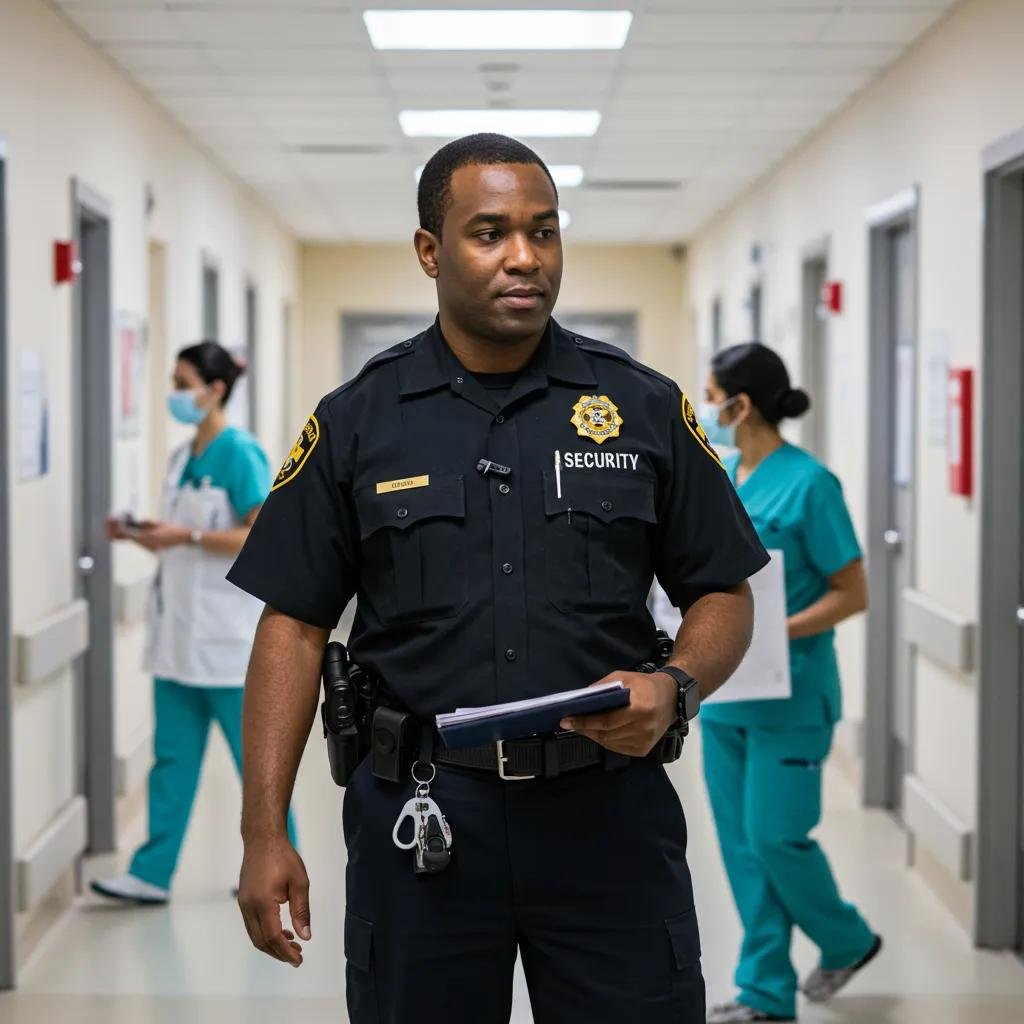
What Are the Texas Healthcare Security Regulations and Compliance Requirements?

Texas requires private security personnel working in healthcare environments to hold active DPS licenses, complete state-approved training, and follow regulated conduct standards. Healthcare facilities are also encouraged to adopt IAHSS best practices for developing their security programs. Compliance with both state and industry guidelines not only ensures legal operation but also strengthens a facility’s loss-control profile in the eyes of insurers.

How Does the Texas Department of Public Safety Regulate Private Security in Healthcare?

The Texas DPS requires private security officers to get a security officer commission, pass background checks, and complete continuing-education courses in areas like emergency response and legal powers. Facilities must regularly check guard credentials and keep records of active licensing. These regulatory controls set a baseline for professional competence that insurers recognize as proof of strong risk mitigation.

What Are the Benefits of Adhering to IAHSS Standards for Texas Healthcare Facilities?

IAHSS standards provide a clear framework for conducting risk assessments, designing facility-wide security plans, and evaluating guard performance. Facilities that implement these guidelines show insurers their commitment to industry-validated best practices. As a result, carriers may offer preferred underwriting terms, recognizing the reduced likelihood of serious incidents under an IAHSS-aligned security program.

How Does Compliance Impact Insurance Costs and Risk Management?

Following regulatory and industry compliance rules changes your facility’s risk story by documenting consistent adherence to best practices. Insurers reward documented compliance with lower additional charges, reduced audit fees, and potential premium credits. Over several renewal cycles, these savings add up, making compliance both a safety must-have and a smart financial move.

What Are Common Questions About Healthcare Security and Insurance Cost Reduction?

Healthcare administrators often ask how guard deployment affects premium relief, what training standards apply, and how to verify guard licensing. Understanding these points ensures that security investments meet insurer expectations and deliver measurable cost savings.

How Do Security Guards Help Lower Insurance Costs for Hospitals?

Security guards reduce hospital insurance costs by deterring crime, preventing incidents, and creating documented risk-control reports that decrease how often and how seriously claims occur. This improved claims experience often qualifies facilities for premium credits and more favorable underwriting terms.

What Training Do Healthcare Security Guards Receive?

Healthcare security guards get specialized training in de-escalation, emergency medical response, patient privacy protocols, and hospital code procedures—all aligned with International Association of Healthcare Security and Safety standards to ensure effective threat management.

Does Security Presence Reduce Healthcare Facility Insurance Premiums?

Yes, a visible and active security presence demonstrates control measures that insurers reward with lower premiums, as consistent evidence of loss control translates into reduced risk loadings and premium discounts.

Houston Security Companies Mayer Security Services and Allied Universal Competing for hospital security
How Can Healthcare Security Improve Patient Safety?

By providing rapid incident response, controlled access to sensitive areas, and patient-focused de-escalation, security guards reduce safety incidents, support clinical staff, and foster an environment of trust that enhances overall patient care quality.

How Do I Verify Licensing for Healthcare Security Guards in Texas?

To verify licensing, you’ll need to confirm active commission status through the Texas Department of Public Safety’s Private Security Program database and review current continuing-education records to ensure compliance with state requirements.

Healthcare facilities that adopt a disciplined, veteran-led security program can significantly reduce insurance liabilities while making patient and staff safety even better. Mayer Security Services’ proactive protection model and commitment to industry standards deliver measurable benefits in risk control. As data from October 2025 shows, investing in specialized healthcare security directly leads to lower premiums and greater operational resilience. To explore customized security solutions for your facility, visit mayersecurity.com for a consultation.

Security Guards Houston: Fortifying Your Enterprise Professionaly

Houston enterprises face escalating security challenges, from pilferage and workplace disturbances to regulatory pitfalls, making proactive defense a crucial investment. This guide will navigate you through assessing your security imperatives, comparing guard services, selecting a qualified provider, understanding investment levels, managing the engagement process, and recognizing the profound value of professional guards. Leverage the disciplined expertise, licensed personnel, and advanced remote surveillance from Mayer Security Services, a veteran-owned company, to safeguard your assets and personnel with unwavering confidence. We’ll commence by defining essential security requirements for Houston enterprises, then explore available guard classifications, selection benchmarks, cost determinants, engagement steps, and the tangible advantages.

What Are the Essential Security Needs for Houston Businesses?

Effective security for Houston businesses hinges on a systematic evaluation of vulnerabilities, assets, and local risks to prevent incidents before they happen. A robust security strategy integrates physical presence, technology, and regulatory compliance to create a layered defense that enhances deterrence and response capabilities.

Key security needs include:

  • Threat Detection: Constant monitoring of entry points and common areas to identify unauthorized activity.
  • Asset Protection: Safeguarding critical infrastructure, equipment, and data centers against theft or damage.
  • Personnel Safety: Ensuring the protection of employees and customers through trained patrols and response procedures.

Each of these core functions minimizes exposure and strengthens overall resilience against crime trends and industry-specific threats.

FunctionImplementationBusiness Impact
Threat DetectionMobile patrols & CCTVEarly warning minimizes incident severity
Asset ProtectionArmed/unarmed guard postsPrevents theft losses and equipment damage
Regulatory ComplianceLicensed officer auditsReduces liability and meets TX DPS standards

Implementing these controls establishes a proactive security posture that seamlessly transitions into selecting guard services tailored to your operations.

How to Identify Your Business’s Unique Security Vulnerabilities and Assets

Begin your security audit by mapping your site layout and cataloging your most valuable assets. Inspect your premises during off-peak hours to identify poorly lit areas, less secure entry points, and unsecured storage locations. Document critical assets—such as inventory, IT systems, and executive offices—and assess their replacement cost and operational importance.

  • Examine all access routes for inadequate locks or surveillance coverage.
  • Evaluate after-hours foot traffic patterns and potential blind spots.
  • Gather insights from staff regarding any near-miss incidents or suspicious behavior.

This assessment will reveal security gaps, informing your guard deployment plans and technology integration to ensure resources are focused where risk is highest.

What Are Common Security Challenges Across Houston Industries?

Houston’s diverse industries face distinct threat profiles requiring tailored security responses. Healthcare facilities need to manage patient access and prevent workplace violence, while industrial sites must guard against equipment theft and unauthorized entry. Commercial properties deal with shoplifting and vandalism, and construction sites are vulnerable to high-value tool theft. Addressing the primary risks for each sector is fundamental to an effective security plan.

Which Security Risks Affect Healthcare, Industrial, and Commercial Sectors?

SectorPrimary RiskMitigation Strategy
HealthcareUncontrolled visitor accessGuarded entrances and badge verification
IndustrialEquipment and material theftMobile patrols and perimeter checks
CommercialCustomer-area shopliftingUniformed officers and CCTV coverage

By implementing these targeted strategies, businesses can prioritize resource allocation and strengthen their most vulnerable areas.

How Does Houston’s Local Environment Influence Security Needs?

Houston’s urban density, port activity, and seasonal weather patterns influence local crime trends and the demand for security guard services. High-traffic commercial areas may experience increased petty theft during peak hours, while industrial zones near shipping terminals are prone to cargo and tool theft. Infrastructure strain from hurricanes can create opportunities for crime. Understanding these environmental factors allows for adjustments in patrol schedules, enhanced perimeter checks, and the integration of remote surveillance during critical periods.

What Types of Security Guard Services Are Available in Houston?

Security guard offerings span from traditional on-site personnel to mobile patrols and virtual monitoring, each providing distinct security benefits. The optimal choice depends on your specific threat profile, site layout, and budget.

Service TypeCharacteristicPrimary Benefit
Armed SecurityOfficers equipped with firearmsEnhanced deterrence against violent threats
Unarmed SecurityUniformed patrolsCost-effective presence for lower-risk sites
Mobile PatrolVehicle-based site checksFlexible coverage across multiple locations
Virtual GuardingRemote camera monitoringContinuous surveillance with rapid dispatch

This range of services supports scalable protection that adapts to evolving security demands and operational priorities.

What Are the Differences Between Armed and Unarmed Security Guards?

Armed security guards carry firearms and undergo rigorous training to address violent threats, while unarmed guards focus on surveillance, access control, and deterrence through their visible presence.

  • Armed officers deter armed intruders and are equipped to handle high-risk situations.
  • Unarmed personnel are ideal for customer-facing roles and cost-sensitive deployments.
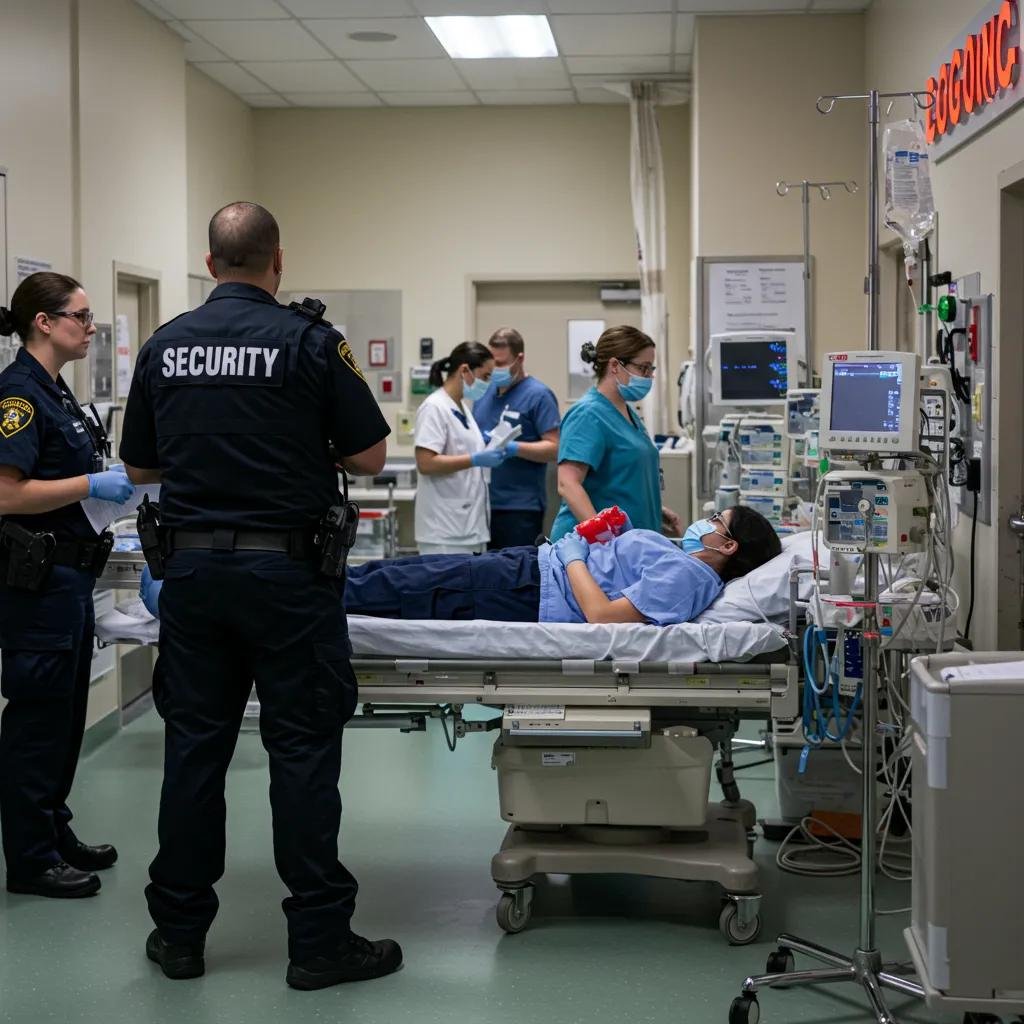
  • Armed services involve higher licensing fees and insurance costs, whereas unarmed roles offer more budget-friendly options.

The decision between armed and unarmed guards should be based on your specific threat assessment and risk tolerance.

How Do Mobile Patrol and Virtual Guard Services Enhance Protection?

Mobile patrols and virtual guarding extend physical coverage by combining human observation with advanced technology. Patrol vehicles conduct unpredictable site checks to disrupt routine patterns, while remote operators monitor live video feeds and initiate rapid responses.

  • Mobile patrols strengthen perimeter security across large or dispersed sites.
  • Virtual guards reduce labor costs by centralizing monitoring and dispatch operations.
  • Integrated alerts connect virtual observations with on-site officers for immediate action.

This dynamic combination amplifies deterrence and ensures continuous threat detection.

Which Specialized Security Services Does Mayer Security Offer for Key Industries?

Mayer Security Services provides specialized guard deployments designed for specific industries, addressing sector-specific threats and compliance needs. As a veteran-owned company, we integrate licensed officers, vetted by TX DPS and FBI checks, with proactive protection strategies and cutting-edge surveillance technology.

What Are the Benefits of Healthcare Security Guards in Houston?

Uniformed healthcare guards enhance patient safety and control access to sensitive areas by managing credential checks, escorting individuals in high-risk situations, and de-escalating conflicts. This specialized service helps reduce liability and ensures compliance with IAHSS and HIPAA guidelines.

How Do Construction Site Security Guards Prevent Theft and Vandalism?

Construction security teams patrol equipment yards, inspect fencing, and secure sites to deter material theft and vandalism. Armed officers can oversee high-value tool storage areas, while mobile units conduct nighttime sweeps to apprehend trespassers before damage occurs.

Security Guard Regulations and Standards in the US Post-9/11 There has been a steady increase in security guard employment in the United States in recent decades. Data estimates for 2010 suggest that there are over 10 000 security companies in the United States, employing 1 046 760 guards. While security guards differ from law enforcement officers in many ways, they are similar to the extent that their activities bring them in close contact with citizens, and this raises issues of professionalism and accountability. Yet, relative to police officers, security guard training and licensing standards are not well established and in some contexts there are no regulations for security guards. The threat of terrorism has resulted in greater attention being paid to security guards for their role in safety and security work in the post 9/11 era; however, the extent to which this has affected licensing and training requirements for security guards is unclear. This study examines the nature and extent of security guard licensing and the minimum standards states impose on the industry. It also compares data from 1982 and 1998 with data from 2010, in order to determine whether states have increased the minimum standards relating to security guard regulations over the past 10 years. Have the standards for private security guards become more stringent in the post 9/11 era? An assessment of security guard regulations in the US from 1982 to 2010, MK Nalla, 1982

Research indicates that the landscape of security guard regulations has evolved, particularly in the post-9/11 era, with varying degrees of stringency across states.

What Commercial Security Solutions Are Best for Houston Businesses?

Commercial security solutions combine unarmed lobby presence, armed response teams, and covert surveillance for retail centers, office parks, and apartment complexes. Uniformed front-desk guards manage visitor logs, while rapid-response units address incidents to protect brand reputation and customer trust.

How to Choose the Best Security Guard Provider in Houston?

Selecting a security partner involves verifying credentials, assessing cultural alignment, and ensuring technological capabilities meet your protection objectives. A thorough vetting process guarantees professional and dependable service.

First, confirm regulatory compliance and licensing standards. Next, evaluate the provider’s experience with similar sites. Finally, review their technology integration and customization options to ensure they align with your operational workflows.

What Licensing and Background Checks Are Required for Security Guards in Texas?

Texas security officers must obtain a license from the Texas Department of Public Safety Private Security Bureau. This requires state-approved training, fingerprinting, and criminal history reviews by TX DPS and the FBI. (dps.texas.gov) This vetting process ensures personnel meet strict eligibility criteria and uphold industry standards.

Why Is Veteran Ownership an Advantage in Security Services?

Veteran ownership brings disciplined leadership, mission-focused strategies, and a strong culture of accountability to security operations. Mayer Security Services draws on U.S. Marine Corps experience to develop proactive protection tactics that prioritize prevention over reaction, fostering trust and operational excellence.

How Does Advanced Security Technology Improve Guard Effectiveness?

Integrating remote surveillance systems, real-time alert platforms, and mobile communication tools enhances guard situational awareness and response speed. Guards equipped with body-worn cameras and instant-alert devices collaborate seamlessly with monitoring centers to address incidents before they escalate, improving overall safety.

What Should You Look for in Customized Security Plans?

Customized security plans involve tailoring officer deployment schedules, patrol routes, and technology placements to your site’s specific layout and risk profile. Seek providers who conduct on-site evaluations, involve stakeholders in the planning process, and adapt protocols based on evolving threat landscapes.

How Much Do Security Guard Services Cost in Houston?

Security guard pricing is influenced by guard type, industry complexity, shift schedules, and required training. Transparent cost structures help businesses budget effectively and compare proposals accurately. Understanding the primary cost drivers enables informed investment decisions.

What Factors Influence the Cost of Armed vs. Unarmed Security Guards?

Armed guards command higher hourly rates due to specialized firearms training, insurance premiums, and liability coverage. Unarmed guards offer lower rates but may require additional patrol or technology services to achieve comparable deterrence levels. Shift duration, overtime, and emergency call-out fees also impact pricing.

How Does Industry Type Affect Security Service Pricing?

Complex environments—such as healthcare facilities with strict regulatory requirements or industrial sites needing heavy equipment escorts—incur higher rates for specialized training and certifications. Simpler settings like retail stores or offices typically require standard unarmed coverage, resulting in more economical service fees.

How Can Businesses Get Accurate Security Service Quotes?

Request on-site consultations that include threat assessments, risk analyses, and site evaluations. Detailed proposals should itemize guard roles, technology expenses, and any additional costs. Transparent quotes from Mayer Security Services ensure you understand all cost components before committing to a contract.

What Is the Process to Hire Security Guards from Mayer Security Services?

Mayer Security Services employs a structured, consultative approach to align protection strategies with client objectives. Each phase involves detailed assessments and client collaboration to ensure seamless implementation and ongoing support.

How Does the Initial Security Needs Assessment Work?

The needs assessment begins with a collaborative site walkthrough, stakeholder interviews, and threat profiling. Our team documents physical vulnerabilities and operational requirements, then produces a comprehensive risk analysis report to guide solution design.

What Happens During Customized Security Plan Development?

Following the assessment, Mayer Security experts develop tailored deployment strategies, specifying guard types, shift patterns, surveillance integrations, and emergency protocols. Clients review draft plans to confirm alignment with their business operations and compliance needs.

How Is Security Service Implementation and Ongoing Support Managed?

Implementation includes onboarding licensed officers, deploying necessary equipment, and conducting orientation sessions with client teams. Ongoing support involves regular performance reviews, incident debriefings, and adaptive adjustments to patrol routes or technology deployments as risk factors change.

What Are the Benefits of Professional Security Guards for Houston Businesses?

Professionally trained guards provide peace of mind through consistent protocol enforcement, rapid incident response, and visible deterrence. Their presence supports regulatory compliance, fosters secure environments, and enhances stakeholder confidence.

How Do Licensed Security Officers Ensure Business Safety and Compliance?

Licensed officers adhere to industry standards by following TX DPS regulations, completing required continuing education, and complying with company-specific policies. Their expertise minimizes liability exposure and ensures adherence to local security ordinances.

How Does Proactive Protection Reduce Theft and Workplace Violence?

By emphasizing prevention—through visible patrols, access control, and risk assessments—proactive protection intercepts potential incidents before they escalate. This strategy discourages criminal intent and cultivates a culture of safety throughout your facility.

Effective Security Measures for Construction Sites: Hiring Watchmen The findings showed that the most effective and often utilized security measure on construction sites is the hiring of watchmen, with security cameras, alarm systems, and warning signs being the least frequently employed. Sites would most likely be protected from theft by effective implementation of the most important security measures while also guaranteeing that the value for money invested in site security is als Theft and Vandalism Control Measures on Construction Sites, 2023

Studies on construction site security highlight that the human element, specifically the hiring of watchmen, remains the most effective measure against theft and vandalism.

What Are the Advantages of Industry-Specific Security Expertise?

Specialized guards possess knowledge of sector regulations, common threat vectors, and necessary response protocols. Healthcare-trained officers handle patient interactions with sensitivity, while construction-site specialists anticipate material theft patterns, delivering targeted risk mitigation strategies.

What Are the Most Common Questions About Security Guards in Houston?

Here are concise answers to common inquiries regarding professional security guard services in Houston.

How Much Do Security Guards Cost in Houston?

Hourly rates for unarmed guards in Houston typically range from $18 to $25, while armed guard rates can range from $30 to $45 per hour. Final pricing depends on shift length, site complexity, and required certifications.

What Are the Licensing Requirements for Security Guards in Texas?

All security guards must possess a Texas Department of Public Safety Private Security Bureau license, which requires completion of state-approved training, fingerprinting, and background checks by TX DPS and the FBI. (dps.texas.gov)

What Is the Difference Between Armed and Unarmed Security Guards?

Armed guards carry firearms and complete weapons proficiency training to address high-risk threats, whereas unarmed guards focus on access control, surveillance, and visible deterrence without the use of weapons.

How Do I Choose a Reliable Security Company for My Business?

Evaluate providers based on licensing compliance, industry experience, technology integration, and custom plan development. Request client references and performance metrics to confirm proven reliability.

Why Should I Consider Veteran-Owned Security Services?

Veteran-owned firms offer disciplined leadership, mission-driven strategies, and a culture of accountability. This background fosters trust and operational excellence in executing proactive protection measures.

Securing your Houston business with the right guard solution starts with identifying your unique risks and selecting a provider that combines industry expertise, regulatory compliance, and advanced technology. Mayer Security Services’ veteran ownership, licensed personnel, and proactive protection strategy deliver comprehensive, tailored security plans that safeguard your assets and people. Partner with us today to experience disciplined, reliable security built for Houston’s dynamic environment.

Sugar Land Security Guards Services: Your Comprehensive


Professional Sugar Land security guard services, championed by industry leaders like Mayer Security Services, offer a powerful combination of visible deterrence, swift incident response, and precisely tailored protection for businesses and communities facing escalating risks. Founded by USMC Veteran and seasoned security contractor Jason Essazay, Mayer Security Services is trusted to protect over $1 billion in assets, ensuring unwavering reliability, strict regulatory adherence, and invaluable local insight. As local crime patterns shift, it’s crucial for managers to safeguard assets, personnel, and reputation without incurring excessive operational costs. This guide will illuminate the vital role of expertly trained security personnel in Sugar Land, Texas. You’ll discover:

  • The indispensable value of professional security guards
  • The diverse spectrum of available security services
  • Navigating Texas DPS regulations for private security
  • Key criteria for selecting the ideal security provider
  • Understanding cost factors and the true value of security investment
  • Industry-specific advantages of professional security
  • Answers to your most pressing security-related questions

By the time you finish, you’ll be well-equipped to partner with a premier security company near Sugar Land and achieve genuine peace of mind through bespoke security solutions.

Why Are Professional Security Guards Absolutely Essential in Sugar Land, Texas?

Professional security guards bring a unique blend of formal training, licensed authority, and deep community understanding to effectively deter criminal activity and respond with agility to any incident. Their visible presence acts as a powerful deterrent, they expertly manage access control, and they diligently monitor for suspicious behavior, all of which directly contribute to minimizing property loss and mitigating liability. Engaging uniformed, trained personnel cultivates a profound sense of safety and security for both employees and visitors, significantly enhancing your organization’s overall resilience.

Reviewing local crime reports reveals a concerning uptick in property theft, unauthorized entries, and acts of vandalism, placing both commercial and residential assets at considerable risk. A thorough understanding of these evolving trends is essential for strategically deploying guards where they can intervene most effectively and seamlessly coordinate with local law enforcement agencies. This proactive strategy ensures rapid support, effectively mitigates threats before they escalate, and provides critical insights into specific local crime indicators.

What Local Crime Trends Underscore the Urgent Need for Security Guards?

Property Theft — Including unauthorized intrusions into retail establishments and warehouses.

  • Vandalism — Such as graffiti, broken windows, and damage to valuable equipment.
  • Trespassing — Involving unpermitted access to construction sites and restricted residential communities.

These prevalent patterns clearly highlight vulnerabilities in existing access control and surveillance systems. Deploying highly trained security guards directly addresses critical gaps in perimeter monitoring and establishes direct communication channels for reporting to Houston-area law enforcement, forming a robust foundation for effective deterrent strategies.

How Do Security Guards Effectively Provide Deterrence and Rapid Response?

Our uniformed officers project an authoritative presence that actively discourages potential offenders through consistent routine patrols, strategically positioned posts, and unmistakable identification. They expertly leverage advanced technology—including reliable communication radios and detailed electronic logs—to coordinate timed rounds and swiftly alert local police during critical incidents. This integrated mechanism of visible presence combined with cutting-edge technology ensures that incidents are detected at their earliest stages and resolved with maximum efficiency, supporting continuous, unwavering safety oversight.
Bringing these core benefits into focus reveals precisely why local expertise is so critical, naturally leading us to explore Mayer Security Services’ meticulously tailored approach for our valued Sugar Land clients.
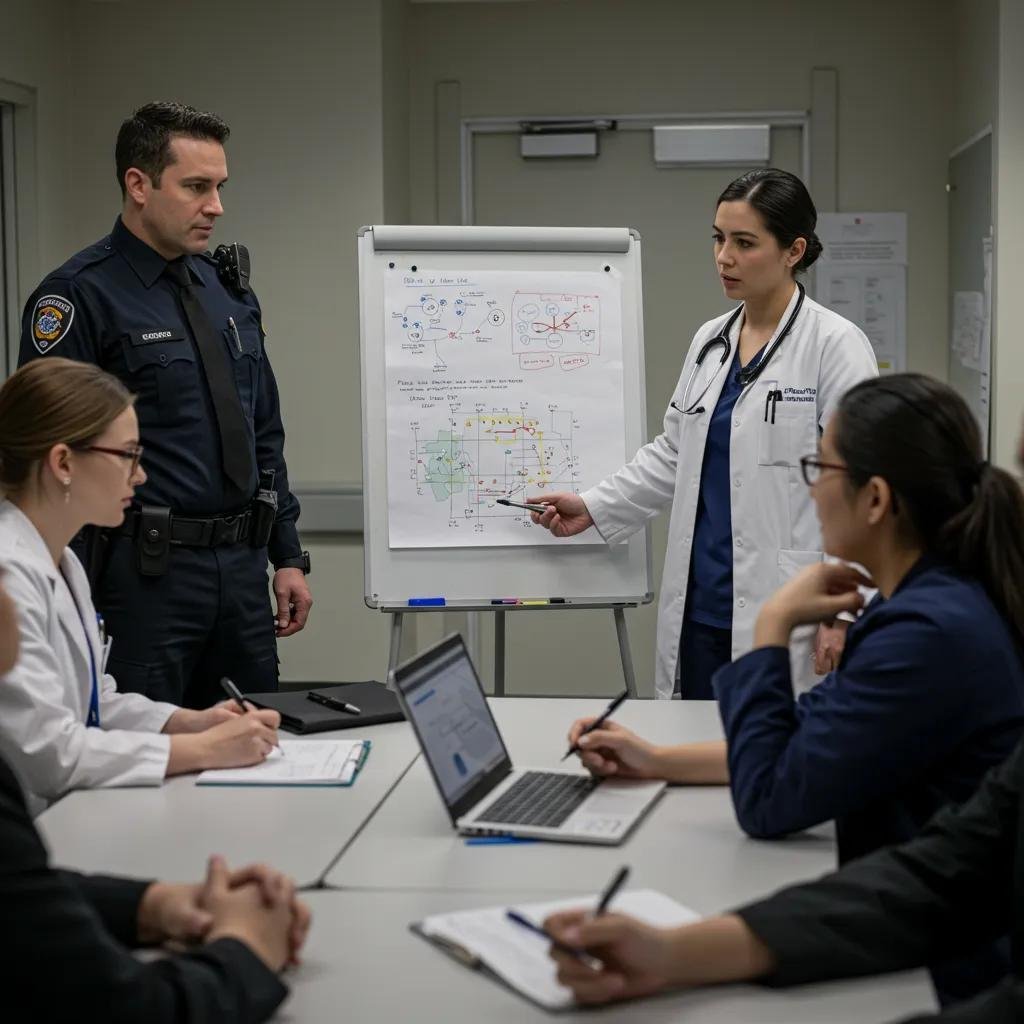
What Are the Key Advantages of Partnering with Mayer Security Services in Sugar Land?

Under the leadership of USMC Veteran Jason Essazay, Mayer Security Services crafts bespoke security plans founded on comprehensive risk assessments, meticulously aligning guard schedules and patrol routes with your specific operational requirements. Our guards undergo rigorous, ongoing training in conflict resolution, emergency preparedness protocols, and advanced access control procedures, ensuring strict adherence to Texas DPS licensing mandates and industry best practices. With a proven track record of protecting over $1 billion in client assets, our core advantages include:

  • Unwavering professionalism, consistently reinforced by immaculate uniforms and exemplary conduct.
  • Exceptional reliability, backed by 24-hour management oversight and rapid relief staffing capabilities.
  • Invaluable local expertise, cultivated through strong relationships within the Sugar Land community.

These foundational strengths provide a clear framework for understanding the various service types available.

What Types of Security Guard Services Are Available in Sugar Land?

Our comprehensive security guard services encompass a wide range, from highly trained armed and unarmed stationary guards to dynamic mobile patrol units and specialized event security teams. Each distinct service type is meticulously designed to address specific protection needs, whether it’s high-risk cash transportation or sophisticated crowd management at corporate functions. Selecting the appropriate service category ensures optimal resource allocation and maximizes your security’s deterrent effect.

Service TypePrimary BenefitTypical Application
Armed SecurityHeightened deterrence and response capabilityHigh-value asset protection, cash logistics, sensitive facilities
Unarmed SecurityVisible presence and access controlOffice building lobbies, retail storefronts, community centers
Mobile PatrolFlexible, wide-area coverage and rapid responseLarge campuses, industrial parks, multiple business locations
Event SecurityCrowd management, access control, and attendee safetyCorporate events, concerts, public festivals, private gatherings

This comparative overview clarifies service alignment, paving the way for a deeper dive into the specific considerations for each scenario.

When Is It Most Appropriate to Choose Armed Security Guards?

Armed security guards are the optimal choice for environments characterized by a significant risk of violence or the presence of exceptionally high-value assets. They provide:

  • Enhanced Deterrence, leveraging the presence of firearm-proficient personnel.
  • Rapid Incident Containment, utilizing their specialized weapons training and tactical skills.
  • Strict Compliance with all Texas DPS protocols governing the safe and legal handling of firearms.

Organizations that routinely handle significant amounts of cash, possess precious goods, or manage highly sensitive materials will benefit most profoundly from this elevated layer of security.

What Crucial Roles Do Unarmed Security Guards Fulfill?

Unarmed guards are primarily focused on vigilant surveillance, meticulous access control, and providing exceptional customer service. Their key responsibilities include:

  • Conducting routine patrols and thorough premise checks.
  • Verifying visitor credentials and managing access at entry points.
  • Accurately reporting incidents and coordinating effectively with first responders.

Their consistent presence effectively reduces loitering, prevents unauthorized entry, and addresses minor misconduct, making them an an ideal solution for offices, retail environments, and residential communities.

How Do Mobile Patrol Services Significantly Enhance Security Coverage?

Mobile patrol officers conduct strategically scheduled or randomized rounds across multiple designated sites, maintaining a potent deterrent presence without the need for a fixed post. They utilize advanced GPS-enabled reporting and video documentation capabilities to:

  • Efficiently cover expansive properties and diverse locations.
  • Proactively identify potential vulnerabilities through regular, thorough inspections.
  • Provide swift and decisive response to alarms or direct calls for assistance.

Integrating mobile patrols seamlessly with fixed guard posts ensures comprehensive monitoring and dynamic, adaptive risk management across your entire operational footprint.

What Are the Optimal Security Solutions for Events Held in Sugar Land?

Effective event security demands a sophisticated combination of meticulous strategic planning, robust crowd control barriers, and highly trained guards proficient in emergency evacuation procedures and conflict de-escalation techniques. Key elements include:

  • Conducting thorough pre-event risk assessments focusing on entry points and VIP zones.
  • Implementing visible perimeter monitoring to effectively deter uninvited access.
  • Positioning rapid response teams strategically near high-traffic areas for immediate support.

This structured, comprehensive approach is essential for maintaining attendee safety and ensuring seamless operational continuity during everything from corporate product launches to large-scale public gatherings.

Which Industry-Specific Security Services Does Mayer Security Offer?

Mayer Security Services delivers highly specialized, targeted solutions across a diverse range of sectors. This includes commercial loss prevention strategies for retail businesses and office parks; enhanced residential community patrols to bolster homeowner association safety; specialized healthcare facility guards focused on access control and patient protection; and dedicated industrial site officers to secure warehouses and manufacturing facilities. Each customized program is designed to integrate industry-specific standards, ensuring both regulatory compliance and contextually relevant security responses.

How Does Mayer Security Services Guarantee Full Compliance with Texas Private Security Regulations?

Our unwavering commitment to maintaining complete compliance with all Texas Department of Public Safety (DPS) licensing and regulatory requirements forms the bedrock of Mayer Security Services’ operational integrity. Dedicated internal oversight ensures that every member of our team possesses current, valid credentials, has successfully completed all mandated training, and has passed rigorous background checks. This steadfast adherence to regulatory fidelity not only safeguards our clients from potential liability but also profoundly reinforces public trust in our services.

What Are the Essential Texas DPS Licensing Requirements for Security Guards?
  • Mandatory Registration processed through the Texas Private Security Bureau.
  • Completion of State-approved training covering crucial areas like use-of-force, legal responsibilities, and professional ethics.
  • Successful completion of fingerprinting and comprehensive background checks to verify good conduct and suitability.
  • Ongoing continuing education requirements to maintain the validity and currency of their licenses.

These stringent credentials collectively guarantee that our personnel consistently meet and exceed state standards for professional security delivery.

How Does Mayer Security Diligently Maintain Regulatory Compliance?

Mayer Security Services implements robust internal audit workflows and conducts regular refresher training courses, meticulously verifying each guard’s license status prior to any client assignment. Our dedicated quality assurance officers perform frequent field evaluations to confirm strict adherence to all DPS guidelines, ensuring that every operational protocol—from firearm handling procedures to incident reporting standards—not only meets but surpasses minimum legal requirements.

Why Is a Deep Understanding of Texas Security Laws Crucial for Clients?

Clients gain invaluable confidence and peace of mind when they engage with providers who expertly navigate the complex landscape of state regulations on their behalf. A thorough understanding of private security statutes significantly reduces an organization’s exposure to potential fines, costly litigation, and complicated insurance issues. This clear, comprehensive legal understanding forms the essential foundation for every contract and service agreement, assuring all stakeholders that protective measures are both highly effective and fully lawful.

How Do You Strategically Choose the Right Security Guard Company in Sugar Land?

Selecting the optimal security company involves a careful evaluation of credentials, the scope of service coverage, and the overall cultural fit with your organization. Implementing a structured vetting process is essential to prevent costly misalignments and to ensure your defense strategies are truly optimized. By prioritizing these critical factors, decision-makers can confidently ensure alignment with their organizational goals and risk tolerance.

What Key Factors Must You Consider When Hiring Security Guards?
  • Demonstrated experience in local environments and effective incident management.
  • The quality and rigor of training programs, including realistic scenario-based exercises.
  • Integration of advanced technology, such as electronic reporting systems and surveillance interfaces.
  • In-depth local knowledge of Sugar Land’s unique neighborhoods and operational protocols.
  • Scalability and flexibility to adjust guard numbers in response to evolving demands.

Focusing diligently on these essential criteria will lead you to a security partner fully equipped for both routine oversight and critical emergency interventions.

Which Targeted Questions Should You Ask Potential Security Providers?

Asking precise, targeted inquiries is the most effective way to reveal a firm’s operational strengths and commitment to excellence:

  • Could you detail your comprehensive guard screening and training process?
  • How do you integrate electronic reporting and GPS tracking into your daily operations?
  • Can you outline your specific response procedures for medical or security emergencies?
  • What established relationships do you maintain with local law enforcement agencies to support your operations?

These critical questions will effectively uncover each firm’s genuine commitment to professionalism, service quality, and client satisfaction.

How Does Mayer Security Services Distinctly Stand Out Among Competitors?

Mayer Security Services, led by the strategic vision of USMC Veteran Jason Essazay, distinguishes itself through a unique combination of unparalleled expertise and a steadfast commitment to protecting over $1 billion in client assets. Our approach includes:

  • Customized security audits meticulously aligned with each client’s specific risk profiles.
  • 24/7 dispatch coordination ensuring seamless and immediate incident response.
  • Transparent management reporting that empowers proactive adjustments and continuous improvement.
  • Local leadership possessing deep, intimate familiarity with Sugar Land’s unique security landscape.

Our tailored approach and genuine community engagement foster unparalleled trust and drive operational excellence.

What Factors Influence the Cost of Security Guard Services in Sugar Land?

The pricing of our services is carefully structured to reflect multiple variables that shape resource allocation, ensuring that clients invest precisely where protection is most critically needed. A clear understanding of these cost drivers enables accurate budgeting and insightful value analysis.

Cost FactorDetailed DescriptionImpact on Overall Pricing
Service TypeArmed, unarmed, mobile patrol, event securityVaries significantly based on required training, licensing, and specialized equipment.
Coverage HoursDaytime, nighttime, or continuous 24-hour shiftsHigher rates are typically applied for off-peak or overnight coverage.
Risk Level AssessmentBased on local crime statistics and the intrinsic value of protected assetsA premium is applied to sites identified as high-risk.
Regulatory Compliance & TrainingOngoing licensing, mandated training, and background checksIncludes administrative overhead and continuous professional development costs.

Transparent pricing allows organizations to effectively weigh their investment against the tangible benefits of risk mitigation and ensured operational continuity, guiding them toward accurate and competitive quotes.

Which Specific Elements Affect Security Guard Pricing?

Costs are primarily influenced by the required qualifications of the security guards, the complexity of the shift schedules, necessary equipment (such as communication devices and protective gear), and any supplemental services requested, like alarm response. Premiums are typically applied to specialized functions—such as armed assignments or rapid-deployment teams—reflecting the higher associated liability and advanced training costs.

How Can You Obtain an Accurate Security Service Quote?

To secure a precise, tailored estimate, please provide Mayer Security Services with detailed site information, a clear outline of anticipated threat scenarios, and your specific coverage hour requirements. An on-site risk assessment conducted by our certified security consultants is the most effective way to ensure the proposal accurately mirrors your operational realities and meets all regulatory requirements.

What Is the True Value Proposition of Professional Security Services?

Investing in professional security guards yields significant, measurable returns for your organization. These include substantially reduced theft and liability costs, uninterrupted business operations even during challenging times, and enhanced confidence among all stakeholders. This essential protective layer translates directly into fewer insurance claims, improved employee morale and productivity, and the sustained positive reputation of your business within the community.

What Are the Benefits of Specialized Security Services for Different Industries in Sugar Land?

Industry-specific security programs are meticulously designed to address the unique risks and stringent compliance needs inherent in various sectors, thereby maximizing the protective value delivered. Custom-developed protocols enhance operational efficiency and ensure strict adherence to sector-specific regulations, from HIPAA in healthcare to OSHA in manufacturing environments.

How Does Commercial Security Effectively Protect Businesses and Their Assets?

Commercial security integrates sophisticated access control systems, advanced CCTV monitoring, and highly visible uniformed patrols to effectively deter both shoplifting and internal theft. Our loss prevention officers work collaboratively with management to continuously refine operational procedures, while our rapid incident reporting capabilities significantly limit financial exposure and maintain invaluable customer trust.

What Security Measures Are Most Effective for Residential Communities?

Implementing strict gated entry enforcement, conducting regular roving patrols, and fostering strong neighborhood watch coordination are proven methods to significantly reduce trespassing and vandalism. Our security personnel also expertly handle package verifications and assist with HOA compliance checks, collectively fostering a secure and desirable living environment that enhances property values.

Why Is Healthcare Security Absolutely Critical in Sugar Land Facilities?

Our healthcare security specialists are adept at balancing the paramount need for patient care with the essential requirement of facility protection. They expertly manage visitor screening processes, safeguard controlled substances with utmost diligence, and implement robust emergency lockdown procedures when necessary. This dual focus on compassionate service and vigilant security ensures both clinical safety and strict regulatory compliance.

How Does Industrial Security Effectively Safeguard Warehouses and Manufacturing Sites?

Industrial security guards provide vigilant oversight of perimeter integrity, manage inventory control checkpoints with precision, and conduct essential emergency response drills. By meticulously monitoring high-value stock and rigorously enforcing site safety protocols, they effectively prevent loss and contribute significantly to OSHA compliance, thereby supporting uninterrupted production cycles.

What Are Common Questions About Security Guard Services in Sugar Land?

Clients frequently seek clarification regarding the specific duties of security guards, the distinctions between various licensing levels, and the factors influencing service costs. Addressing these core inquiries streamlines the decision-making process and ensures clear alignment of expectations with operational realities.

What Are the Primary Duties of Security Guards in Sugar Land, TX?

Security guards conduct regular patrols, meticulously verify identification at access points, diligently observe and report any irregularities, manage crowd movements effectively, and coordinate emergency procedures. Their comprehensive duties ensure continuous monitoring and immediate, decisive action in critical situations.

What Is the Fundamental Difference Between Armed and Unarmed Security Guards?

Armed guards are licensed to carry firearms, providing an enhanced level of deterrence and incident containment capability, particularly in high-risk environments. Unarmed guards primarily focus on access control, surveillance, and customer service functions. The selection between the two depends critically on the value of the assets being protected, the assessed threat level, and relevant regulatory considerations.

Do Security Guards Necessarily Need a License in Texas?

Yes, absolutely. The Texas Department of Public Safety (DPS) mandates that all security guards must be registered, complete state-approved training, successfully pass background checks, and fulfill continuing education requirements to maintain their license validity. These licenses serve as official validation of the guard’s authority and their commitment to upholding professional standards.

How Can Security Guards Significantly Improve Safety at Events?

Event security teams conduct thorough risk assessments, establish robust perimeter controls, expertly manage visitor ingress and egress, and coordinate immediate first-aid response. Their visible presence and meticulously structured protocols are essential for minimizing disruptions and ensuring the safety and well-being of all attendees.

How Much Do Security Guards Typically Cost in Sugar Land?

The cost of security guarding services varies considerably based on the specific service type required, the duration of coverage hours, prevailing risk factors, and any supplemental services requested. While unarmed guards during daytime shifts generally carry lower rates, armed assignments and after-hours coverage will incur higher fees. Detailed site assessments are essential for generating precise estimates that accurately align with your specific operational budgets.

Effectively protecting people and property demands a strategic partnership with a licensed, highly experienced security provider. Mayer Security Services, led by USMC Veteran Jason Essazay, uniquely combines invaluable local expertise, rigorous regulatory compliance, and meticulously customized programs to deliver unparalleled peace of mind, protecting over $1 billion in client assets. Contact Mayer Security Services today at mayersecurity.com to schedule a personalized consultation and secure your valuable assets.

Comprehensive Healthcare Security Solutions by Mayer Security Services

Specialized hospital security in Houston demands a combination of expert personnel, robust protocols, and industry-recognized standards. Mayer Security Services, as a proud IAHSS member and preferred vendor, delivers armed and unarmed healthcare security in Houston that protects patients, staff, and assets across hospitals, emergency rooms, and doctors’ offices. In this guide, we examine the key challenges faced by Greater Houston medical facilities, how Mayer Security Services tailors armed and unarmed solutions, specialized offerings for different facility types, strict IAHSS compliance, workplace violence prevention strategies, compelling reasons to choose Mayer, and how to request a tailored security assessment or quote. Each section builds on the core concept of comprehensive healthcare security solutions, offering actionable insights and clear benefits to Houston’s medical communities.

What Are the Key Healthcare Security Challenges in Houston Hospitals?

Healthcare security in Houston hospitals encompasses a range of threats, from aggressive incidents to unauthorized entry, that can compromise patient care and asset safety. Understanding these challenges defines the starting point for effective protection.

How Does Workplace Violence Impact Houston Healthcare Facilities?

Workplace violence in Houston medical centers arises from verbal threats, physical assaults, and emotional distress that endanger caregivers and patients. Violent incidents increase staff turnover, disrupt care workflows, and elevate liability risks. For example, emergency departments report higher rates of aggression due to heightened patient stress, underscoring the need for de-escalation protocols and trained security officers. Recognizing these impacts drives hospitals to adopt proactive prevention measures that reduce incidents and improve workplace morale.

What Are the Risks of Theft and Unauthorized Access in Medical Settings?

Theft of pharmaceuticals, medical devices, and personal belongings can occur when access control is inadequate in clinics and hospitals. Unauthorized entry into restricted areas jeopardizes patient records, expensive equipment, and research samples.

Study: Most healthcare data breaches caused by hacking

Research analyzing healthcare data breaches reported between 2010 and 2024 indicates a significant shift in the cyberthreat landscape. Initially, theft and unauthorized access were primary causes, but hacking and IT incidents have become the dominant factors, accounting for the majority of large healthcare data breaches and impacting a substantial number of patient records.

This study supports the article’s discussion on the risks of theft and unauthorized access in medical settings, contextualizing it within the broader trends of data breaches in healthcare.

In one instance, a loss of controlled substances due to a tailgating event highlighted the necessity of multi-factor entry systems and continuous perimeter monitoring. Addressing these risks through layered security controls protects assets and upholds regulatory compliance.

Why Is Patient and Staff Safety Critical in Hospital Security?

Patient and staff safety drives both quality of care and organizational reputation, making it a central pillar of hospital security in Houston. Safe environments foster healing, enhance patient satisfaction, and prevent costly incidents. When security teams swiftly intervene in disruptive situations, they preserve the therapeutic atmosphere essential to recovery. Prioritizing safety creates a virtuous cycle: confident staff deliver superior care, and patients benefit from uninterrupted treatment.

How Does Mayer Security Services Tailor Armed and Unarmed Security for Houston Healthcare?

Mayer Security Services customizes physical security by matching armed and unarmed guard deployments to the unique risk profiles of each healthcare facility. This mechanism ensures optimal protection while respecting clinical operations.

Before comparing roles, it’s essential to grasp that armed and unarmed services address different threat levels and facility needs. The following table summarizes the primary distinctions:

Security Service TypeTypical Deployment AreaKey Advantage
Armed SecurityEmergency rooms, high-risk wardsImmediate deterrence and lethal-force backup
Unarmed SecurityClinic reception, outpatient corridorsPatient-friendly presence and rapid incident reporting
Patrol & SurveillanceParking garages, loading docksContinuous monitoring and fast alarm response

Each service complements the other, creating a cohesive security posture that adapts as threats evolve. Understanding these roles lays the foundation for deeper insights into armed and unarmed benefits.

What Are the Benefits of Armed Security Guards in Hospitals and Emergency Rooms?

Armed security guards deter active threats by their visible authority and rapid response capability. They manage critical incidents such as armed intrusions or violent outbreaks with precision and tactical training. In emergency rooms where tensions run high, armed officers provide an added layer of reassurance, helping de-escalate situations before medical staff intervene. Their presence also satisfies stringent regulatory standards and insurance requirements for high-risk healthcare areas.

How Do Unarmed Security Guards Support Medical Office and Clinic Safety?

Unarmed security guards excel at maintaining a welcoming yet secure environment in doctors’ offices and outpatient clinics. By conducting visitor screening, enforcing parking rules, and providing wayfinding assistance, they minimize the potential for unauthorized access and petty theft. Their de-escalation training enables them to resolve conflicts verbally, preserving patient dignity and comfort. These roles ensure that clinical operations proceed smoothly, with security support fully integrated into daily workflows.

How Are Patrol and Surveillance Integrated into Healthcare Security Solutions?

Patrol officers and surveillance teams form the eyes and ears of a comprehensive security system, linking on-site presence with advanced monitoring technology. Guards execute scheduled and random patrols, verifying perimeter integrity and responding to alarms. Meanwhile, centralized surveillance hubs track camera feeds, access logs, and sensor network alerts. This integrated approach leverages both human judgment and technological analysis to identify anomalous behavior, prevent unauthorized entry, and ensure rapid incident resolution.

What Specialized Security Solutions Does Mayer Provide for Different Healthcare Facilities?

Mayer Security Services designs facility-specific protocols by aligning service features to each medical environment’s operational dynamics. This customization maximizes protection while minimizing disruption.

How Is Hospital Security in Houston Customized for Patient and Staff Protection?

Hospital security protocols combine tailored guard deployments, secure access control, and visitor management systems that accommodate 24/7 operations. Guards receive unit-specific training—such as neonatal ward sensitivity or psychiatric unit de-escalation—ensuring patient safety without compromising care. Intra-facility communication channels link security officers with nursing stations and administration, creating a seamless incident response framework that protects both staff and patients at all times.

What Are the Unique Security Needs of Emergency Rooms in Houston?

Emergency rooms demand rapid threat assessment, crowd control, and crisis de-escalation capabilities to manage emotionally charged individuals. Mayer’s ER security officers undergo specialized training in aggressive patient behavior management and medical triage procedures. They implement fast-response alarm protocols and maintain secure zones for critical care, ensuring that high-stress environments remain both safe and operationally efficient under peak demand conditions.

How Does Mayer Secure Doctors Offices and Medical Clinics in Houston?

Clinic security focuses on controlled access, asset protection, and visitor facilitation to support outpatient workflows. Mayer installs electronic check-in kiosks monitored by unarmed guards, enforces medication storage protocols, and conducts vendor screening. By customizing foot-traffic patterns and installing lockout procedures for after-hours care, security teams shield sensitive patient data and pharmaceuticals while preserving the open, welcoming atmosphere intrinsic to clinic operations.

How Does Mayer Security Services Implement IAHSS Guidelines in Houston Healthcare Security?

Adherence to IAHSS standards ensures that Mayer Security Services aligns operational practices with industry best practices for healthcare safety and security.

What Are the Core IAHSS Standards for Healthcare Security?

IAHSS guidelines define comprehensive security benchmarks, including risk assessment frameworks, officer training competencies, incident classification protocols, and performance measurement metrics. These standards mandate ongoing professional education, use-of-force policies, and emergency preparedness drills tailored to healthcare settings. By embedding these benchmarks into every program, Mayer Security Services fosters continuous improvement and aligns with internationally recognized practices.

Healthcare Security Industry Guidelines, 13th Edition

The International Association for Healthcare Security and Safety (IAHSS) publishes comprehensive industry guidelines that establish benchmarks for effective healthcare security programs. These guidelines cover critical areas such as risk assessment frameworks, officer training competencies, incident classification protocols, and performance measurement metrics, aiming to ensure a safe and secure environment in healthcare facilities.

This citation verifies the existence and purpose of the IAHSS guidelines, which the article states Mayer Security Services adheres to for industry best practices.

How Does Mayer Ensure Compliance with IAHSS and Texas Healthcare Regulations?

Mayer Security Services conducts regular audits, policy reviews, and training refreshers to maintain compliance with IAHSS and Texas state mandates—such as workplace violence prevention plans required by 2023 legislation. Security officers complete documented drills on HIPAA-related confidentiality, JCAHO-aligned incident reporting, and OSHA-mandated safety protocols. Periodic third-party assessments validate adherence, reinforcing a culture of accountability and regulatory excellence.

Why Is IAHSS Membership Important for Healthcare Security Providers?

IAHSS membership signifies a commitment to specialized professional development, networking, and continuous alignment with healthcare security innovations. Members gain access to research resources, industry conferences, and certification programs that drive operational excellence. For clients, selecting an IAHSS-affiliated provider like Mayer Security Services conveys trust in a partner who meets the highest standards of healthcare security and safety.

How Does Mayer Security Services Address Workplace Violence Prevention in Houston Healthcare?

Preventing workplace violence involves data-driven strategies, specialized training, and collaborative planning with healthcare stakeholders.

What Are the Latest Workplace Violence Statistics in Texas Healthcare?

Recent data shows that over 98 percent of Texas hospitals report stable or increased violence since the pandemic, with 61 percent indicating greater incident severity. Healthcare settings account for 73 percent of all nonfatal workplace-violence injuries nationwide, and nearly one in five nurses have left positions due to safety concerns. These figures highlight an urgent need for structured prevention plans and dedicated security resources within Houston facilities.

Workplace Violence – Texas Hospital Association

A survey conducted by the Texas Hospital Association in late 2022 revealed that 98% of Texas hospitals reported workplace violence had either increased or remained stable since the start of the pandemic. Additionally, 61% of these hospitals indicated an increase in the severity of violent incidents, highlighting a persistent challenge within healthcare settings.

This research directly supports the article’s claims regarding the prevalence and increasing severity of workplace violence in Texas hospitals.

How Does Mayer Train Security Staff and Healthcare Workers for Violence Prevention?

Mayer Security Services delivers joint workshops that combine security officer tactical training with healthcare worker de-escalation techniques. Programs cover conflict resolution, communication skills, situational awareness, and use-of-force decision-making. By running live-scenario drills in hospital corridors and clinic reception areas, participants build confidence and competence in preventing or defusing violent events before escalation.

What Steps Are Involved in Developing a Healthcare Workplace Violence Prevention Plan?

A robust prevention plan begins with a facility-wide risk assessment to identify hotspots and vulnerable populations. Next, cross-functional teams draft policies on reporting, response protocols, and accountability metrics. Implementation involves officer and staff training, installation of alarm systems, and regular drills. Finally, ongoing evaluation through incident tracking and feedback loops ensures continuous refinement and alignment with evolving threats.

Why Choose Mayer Security Services as Your Preferred Healthcare Security Company in Houston?

Choosing Mayer Security Services means partnering with a locally focused, industry-authorized team that delivers measurable security outcomes and peace of mind.

How Does Local Houston Expertise Enhance Mayer’s Security Services?

Deep familiarity with Greater Houston’s healthcare landscape enables Mayer to anticipate and mitigate region-specific risks—such as high-traffic ER surges and suburban clinic vulnerabilities. Local teams maintain rapid dispatch capabilities, strong relationships with law enforcement, and cultural understanding that fosters seamless collaboration with facility staff. This regional specialization ensures timely, nuanced security solutions unmatched by generalist providers.

What Do Healthcare Clients Say About Mayer’s Security Solutions?

Healthcare administrators praise Mayer Security Services for its professionalism, responsiveness, and operational integrity. In one case study, a major Houston hospital reported a 45 percent reduction in workplace violence incidents after deploying Mayer’s combined patrol and training program. Testimonials emphasize the company’s reliability, clear communication, and ability to adapt solutions around dynamic clinical demands.

How Does Mayer’s Preferred Vendor Status Benefit Houston Healthcare Facilities?

As a preferred vendor, Mayer Security Services guarantees streamlined procurement, predictable pricing, and ongoing priority support. Facilities gain expedited onboarding, customized service-level agreements, and direct access to senior security consultants. This status reflects consistent performance, high client satisfaction, and a proven track record delivering healthcare security excellence across the region.

How Can Houston Healthcare Facilities Request a Security Assessment or Quote from Mayer Security Services?

Engaging Mayer Security Services begins with a detailed security assessment that lays the groundwork for a tailored protection plan.

What Is Included in a Comprehensive Healthcare Security Assessment?

A full assessment evaluates perimeter integrity, access control systems, camera coverage, patrol routes, and incident-response protocols. Security consultants interview clinical leaders, review incident histories, and perform vulnerability scans of physical and procedural elements. The deliverable is a gap analysis report with prioritized recommendations and cost estimates, providing a clear roadmap for enhancing safety and compliance.

How to Contact Mayer Security Services for Customized Healthcare Security Solutions?

To request an assessment or personalized quote, healthcare administrators can call the dedicated Houston security hotline or complete the secure online inquiry form. A senior consultant will schedule an on-site consultation within 48 hours, gather facility details, and outline next steps. This streamlined process ensures that hospitals, clinics, and emergency rooms receive expert guidance without delay.

Mayer Security Services combines IAHSS-aligned standards, local insight, and tailored armed and unarmed guard deployments to deliver industry-leading hospital security in Houston. By addressing workplace violence, theft prevention, and regulatory compliance, their solutions enhance patient and staff safety across diverse healthcare settings. Clients benefit from measurable incident reductions, positive testimonials, and preferred vendor advantages that streamline procurement and service delivery. Partnering with Mayer ensures that Greater Houston’s medical facilities maintain the highest level of protection and operational continuity.